

Autism Diet Supplements: What Research Shows and What Parents Try
Parents of children on the autism spectrum often look beyond traditional therapies to support their child's health. Supplements are one of the most common additions to a family's daily routine. Survey data, clinical research, and parent reports all point to the same pattern: autism diet supplements are widely used, though the evidence behind each one varies. Understanding which supplements are most popular, what studies suggest, and how parents actually approach these decisions can help families make more informed choices.
Why Parents Consider Supplements for Autism
Nutritional supplements have become a standard part of care for many children with autism spectrum disorder. Kennedy Krieger Institute notes that mega-vitamin therapy and other nutritional supplements are commonly used to treat children with ASD, and recent studies show that more than 30 percent of parents are giving their child a supplement of some kind.
There are several reasons parents take this step. Some want to fill nutritional gaps caused by selective eating. Others are hoping to address specific symptoms such as sleep difficulties, digestive issues, or repetitive behaviors. Many are also responding to reports from other parents and from some clinicians that certain nutrients appear to support nervous system regulation and overall well-being.
The Supplements Parents Use Most Often
A national survey published in 2021 by James Adams and colleagues asked parents to rate the effectiveness of nutraceuticals for autism spectrum disorders. The results showed a clear pattern in what families were already using. The most commonly used treatments were:
-
Generic child or adult multivitamin: 34 percent of parents
-
Melatonin: 29 percent
-
Omega-3 fatty acids: 15 percent
-
Vitamin C: 14 percent
-
Krill oil: 13 percent
This mix of general nutrition and targeted support is echoed by supplement companies that cater to autism families. Products formulated for children with autism and ADHD commonly include a multivitamin, omega-3 fish oil, a probiotic, and gut health supplements. For families, the appeal is straightforward: a single routine that covers several nutritional bases at once.

What Research Suggests About Specific Supplements
Research on dietary supplements for autism has grown in recent years, and some nutrients have drawn more attention than others. A review by YJ Li and colleagues examined eight different supplements and grouped them according to the reason they were studied. Three of the supplements, methyl B12, vitamin D3, and omega-3 fatty acids, were investigated because of identified deficiencies in people with ASD. The review also included folinic acid among the supplements examined for its potential role in core symptoms.
Vitamin B6 and Magnesium
A discussion of autism supplements wouldn't be complete without mention of Vitamin B6 and magnesium. These two nutrients were studied carefully by Dr. Bernie Rimland, a man known to many as the Godfather of autism biomedical treatments. Some clinical evidence and years of experience suggests that vitamin B6 combined with magnesium can help reduce autism-related symptoms. Magnesium, omega-3 fatty acids, and vitamin B6 are also frequently suggested to help reduce stimming by supporting nervous system regulation. Because optimal dosing varies considerably from one child to the next, this pairing is best discussed with a clinician or experienced practitioner before starting.
Omega-3 Fatty Acids
Omega-3 fatty acids, including fish oil and krill oil, are among the more commonly used supplements. The 2021 national survey found that 15 percent of parents were using omega-3s and 13 percent were using krill oil. The research review by Li and colleagues identified omega-3 fatty acids as one of the supplements studied because of deficiencies found in some individuals with ASD. Along with magnesium and vitamin B6, omega-3s are often suggested for supporting nervous system regulation.
Melatonin
Melatonin stands out because it was the second most commonly used supplement in the national survey, with 29 percent of parents reporting its use. Some evidence suggests that melatonin can help reduce autism-related symptoms, particularly those connected to sleep. For families dealing with difficulty falling asleep or frequent night waking, melatonin is often one of the first supplements a pediatrician or specialist may discuss.
Vitamin D3 and Methyl B12
Vitamin D3 and methyl B12 were both included in the research review as supplements studied because of identified deficiencies in ASD. Vitamin D3 is widely used in the general population as well, and methyl B12 is of particular interest to families exploring methylation support. Some parents prefer delivery methods their child tolerates more easily, so it is worth reviewing the available forms with a healthcare provider. Methyl B12 is commonly administered by subcutaneous injection or by transdermal application.
Specialized Supplement Formulations for Autism
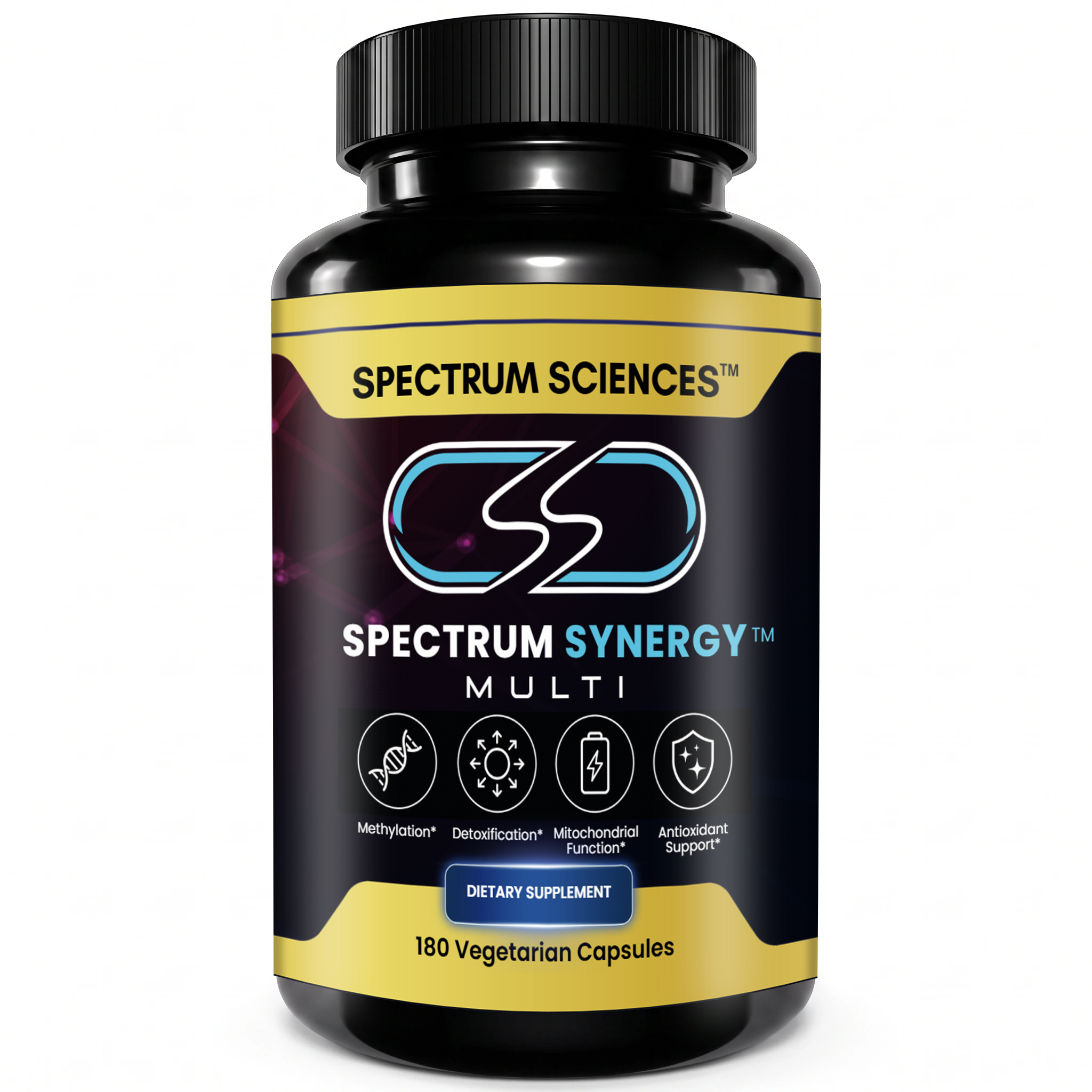
Beyond single nutrients, some companies have developed specialized products specifically for the autism community. Spectrum Synergy Multi is one such example, which is said to pair well with iodine, selenium, molybdenum and Activated B12 Oil used to optimize the nutritional status of children.
This class of products typically combine multiple nutrients into one formula, which can be helpful for children who resist taking several separate supplements. The inclusion of activated cofactors is also notable, since some families and practitioners believe that certain forms of vitamins are better used by the body than others.
Dietary Approaches: Gluten-Free and Casein-Free Eating
Supplements are only one part of the nutrition conversation in the autism community. Many parents also experiment with diet changes, and the gluten-free, casein-free diet is the most widely discussed. The data suggests that many parents say their children's autism symptoms and related medical issues improve when they remove casein, which is the protein in milk, and gluten, which is the protein in wheat.
It is important to note that some families see clear improvements in digestion, focus, or behavior. Others notice no change at all. A structured trial, ideally with guidance from a dietitian or nutritionally-informed healthcare professional, can help families determine whether this approach is worth continuing.

Building a Supplement Plan With a Healthcare Provider
Given the variety of supplements available, many parents wonder where to start. The survey data offers a useful snapshot: multivitamins are the most common starting point, followed by melatonin and omega-3s. A generic multivitamin can address broad nutritional gaps, while targeted supplements like melatonin or magnesium can be added based on specific concerns such as sleep or stimming behaviors.
Families should also keep in mind that supplements are not regulated in the same way as prescription medications. Choosing products from reputable manufacturers and reviewing ingredient labels carefully is important. Dosages that are safe for one child may not be appropriate for another, especially when supplements like vitamin B6 or zinc are involved. A personal physician with knowledge of these treatments can help families weigh the potential benefits and risks.
Frequently Asked Questions
What supplements do parents use most for autism?
A national survey published in 2021 found that the most commonly used supplements were generic child or adult multivitamins, used by 34 percent of parents, followed by melatonin at 29 percent. Omega-3 fatty acids were used by 15 percent, vitamin C by 14 percent, and krill oil by 13 percent. These are the most frequently reported choices among the families surveyed.
Can vitamin B6 and magnesium help with stimming?
Magnesium, omega-3 fatty acids, and vitamin B6 are often suggested to help reduce stimming by supporting nervous system regulation. Some evidence also suggests that vitamin B6 combined with magnesium can help reduce autism-related symptoms. However, responses vary from child to child, and high-dose vitamin B6 should only be used under medical supervision.
Do gluten-free and casein-free diets work for autism?
Many parents report that their children's autism symptoms and related medical issues improve when casein and gluten are removed from the diet. These reports are common but not universal. Some children show clear benefits, while others show no change. Families interested in trying this approach should consider working with a dietitian to ensure nutritional needs are still met.
What is the best diet for autism?
Research has not identified a single best diet for everyone with autism. The most widely discussed approach is the gluten-free, casein-free diet, which many parents report as helpful. Other families focus on a low-oxalate diet, whole foods and add supplements to address specific gaps. Because every child is different, a personalized approach guided by a healthcare provider is usually the most practical path.
Supplements and diet changes are deeply personal decisions for autism families. The research available today supports certain options more than others, but parent experience remains a powerful source of insight. By combining survey data, clinical studies, and practical observation, families can build a nutrition plan that respects both the evidence and their child's unique needs.