

Mosaic OAT Test: A Guide to Your Metabolic Markers
Why does your standard blood work show you're perfectly healthy when you still feel completely exhausted every single morning? It's frustrating to be told your labs are normal while you struggle with brain fog, digestive issues, or a lack of energy. You might suspect a yeast overgrowth or feel confused by a shelf full of supplements that don't seem to make a difference. The mosaic oat test offers a deeper look by measuring 76 different markers in your urine to find exactly where your metabolism is getting stuck.
We understand that you want more than just another test result; you want a clear path forward. This comprehensive analysis serves as a metabolic compass, identifying the specific cellular roadblocks that prevent your supplements from working effectively. By uncovering these hidden blocks, you can finally stop guessing and start giving your body the specific nutrients it needs to thrive. This guide will show you how to read your metabolic map, validate your symptoms with hard data, and adjust your daily routine for better health.
Key Takeaways
- Learn how organic acids act as chemical fingerprints to show exactly how your cells are producing energy every day.
- Understand how the mosaic oat test identifies functional deficiencies in vitamins like B12 and folate that standard blood tests often miss.
- Discover how markers for yeast and bacterial overgrowth can reveal the hidden causes of poor nutrient absorption and gut discomfort.
- Master the simple at-home collection process and the specific dietary steps needed to ensure your lab results are highly accurate.
- See how to use your unique lab data to create a personalized plan using transdermal oils that bypass common digestive hurdles.
What is the Mosaic OAT Test and Why is it Different?
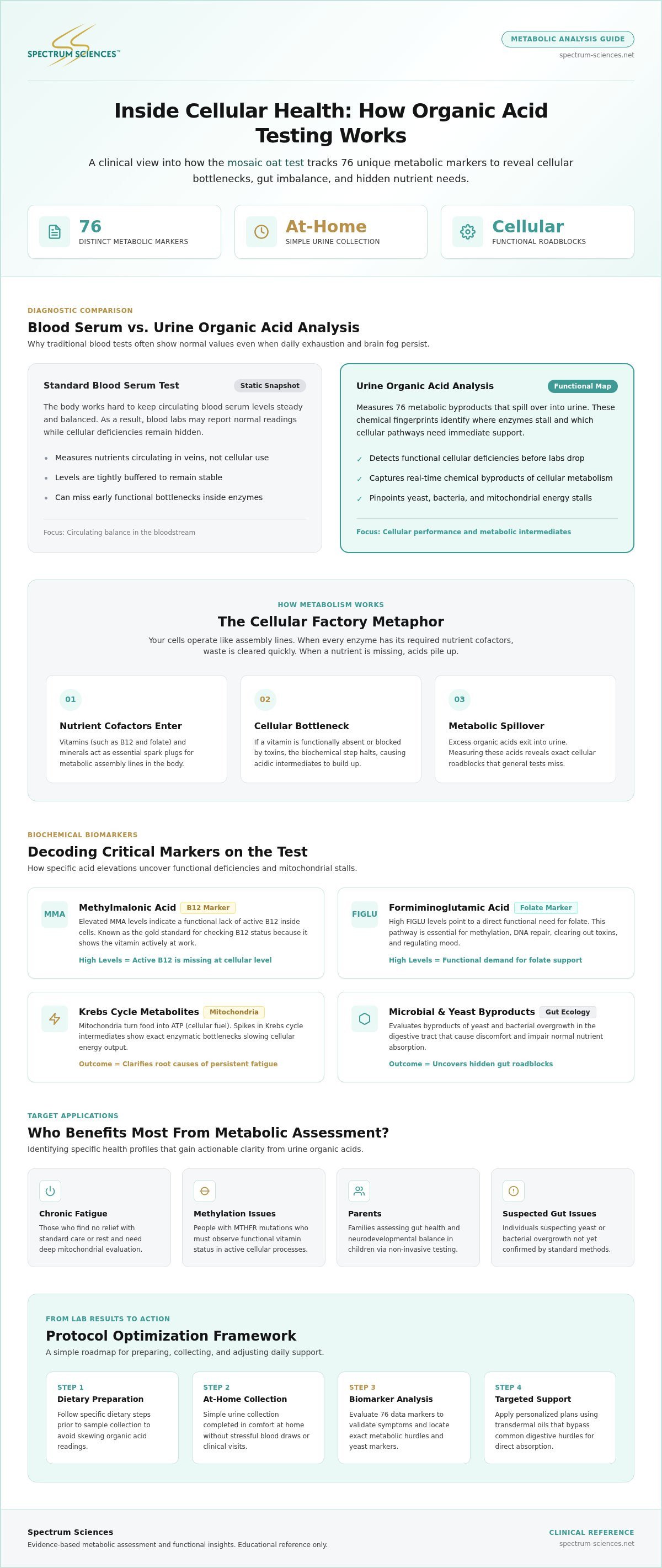
The mosaic oat test is a detailed urine analysis that evaluates 76 different markers to help you understand your cellular health. Unlike a standard blood test that only looks at what is circulating in your veins, this test measures the specific byproducts your body leaves behind. These byproducts, known as organic acids, act as a metabolic map. They show exactly where your body is struggling to turn food into energy or clear out waste.
To better understand how this test identifies the root causes of chronic health issues, watch this helpful video:
Traditional lab work usually focuses on blood serum. Your body works very hard to keep blood levels steady, so a blood test might look normal even when your cells are under stress. A urine organic acids analysis is different. It captures the metabolic intermediates that spill over into your urine. These acids are like chemical fingerprints of your internal health. They provide a deep look at your biological function, revealing gaps that a simple snapshot of your blood cannot see. Using this data allows you to create a personalized health protocol that targets your specific needs rather than following a general approach.
The Science of Organic Acids Explained Simply
Your body functions like a busy factory. Every time your cells produce energy, they create small acidic byproducts. When your enzymes have everything they need, such as B-vitamins and minerals, these acids are processed quickly and efficiently. However, if a nutrient is missing or a toxin blocks the path, these acids build up and exit through your urine. High levels of certain acids tell us that your internal factory has a backup that needs to be cleared. Measuring these markers in urine is the most effective way to see these cellular bottlenecks before they turn into more serious health challenges.
Who Should Consider This Metabolic Assessment?
Choosing to run a mosaic oat test is a vital first step for anyone who feels their health isn't where it should be. It provides the data needed to stop guessing about which supplements to take. This assessment is particularly helpful for certain groups:
- Individuals with chronic fatigue who don't find relief with standard medical care or rest.
- People with methylation issues, such as the MTHFR mutation, who need to see their functional vitamin status.
- Parents who want to understand the gut health and neurodevelopmental balance of their children through non-invasive testing.
- Those with suspected gut issues like yeast or bacterial overgrowth that haven't been confirmed by other methods.
By identifying these hidden metabolic blocks, you can begin to adjust your nutrient intake with precision. This data-driven approach helps you move toward biological harmony and lasting vitality.
Decoding Key Markers for Methylation and Energy
The mosaic oat test provides a clear window into how your body uses vitamins to create energy. While a standard blood test shows how much B12 is floating in your veins, it doesn't tell you if that B12 is actually getting into your cells. If your cells can't use the vitamin, your blood levels might look normal even while you feel exhausted. By measuring specific organic acids, this test reveals functional deficiencies that traditional labs often miss. This is a vital first step toward understanding why your energy levels might be flagging despite your best efforts.
B12 and Folate Markers on the OAT
One of the most important markers is Methylmalonic Acid, or MMA. Think of MMA as a metabolic signal. When your body has enough active B12, MMA levels stay low. If B12 is missing at the cellular level, MMA builds up and spills into your urine. This is often considered the gold standard for checking B12 status because it shows the vitamin in action. Similarly, high levels of Formiminoglutamic acid, or FIGLU, point to a functional need for folate. These markers are essential for methylation. This is the process that repairs your DNA, clears out toxins, and regulates your mood. When these acids are out of balance, it's a clear sign that your methylation pathway needs support.
Mitochondrial Health and the Krebs Cycle
Your mitochondria are the power plants of your cells. They use a process called the Krebs Cycle to turn food into ATP, which is the fuel your body runs on. The Mosaic Organic Acids Test measures several intermediates in this cycle to see how well this process is working. If these acids are too high or too low, it signals a bottleneck in your energy production. This often explains why people suffer from persistent brain fog or muscle weakness despite eating a healthy diet. Supporting these pathways with specific nutrients can help restart your internal power plants.
When these metabolic blocks appear, they often suggest that your body isn't absorbing nutrients through the gut effectively. This makes traditional pills less useful. If your results show a functional B12 deficiency, using Activated B12 Oil allows you to bypass digestive hurdles and deliver vital nutrients directly through the skin. By addressing these cellular gaps, you can begin to restore your vitality and biological harmony.
Identifying Gut Health and Environmental Toxins
A healthy gut is the foundation of a functional metabolism. When you run a mosaic oat test, you're looking for specific byproducts left behind by yeast and bacteria. These markers tell a story that standard stool tests might miss. Because these organic acids are absorbed into the blood and filtered by the kidneys, they provide a highly accurate view of microbial activity throughout the entire digestive tract. When these levels are high, it's often a sign that your gut is struggling to absorb the nutrients you need for energy and mood regulation.
Yeast and Fungal Overgrowth Markers
The test specifically looks for markers like Arabinose and Tartaric acid. These are byproducts of Candida albicans and other fungi. If these levels are elevated, you might experience brain fog, sugar cravings, or even "die-off" symptoms when you try to clear the overgrowth. A major problem with fungal issues is that they damage the gut lining. This makes it very hard to absorb oral vitamins. This is why transdermal delivery is so helpful. By using transdermal oils, you can get nutrients into your system without relying on a compromised digestive tract.
The Impact of Toxins on Your Metabolism
Environmental toxins like mold or chemical pollutants can act as a physical block in your metabolic machinery. The mosaic oat test identifies indicators of oxidative stress, such as Pyroglutamic acid. This marker shows if your body is running low on glutathione, its master antioxidant. When toxins clog these pathways, your energy production slows down. To support your body's natural defense, you can use specialized mineral oils. For example, Molybdenum Oil (Molybdate) is designed to support sulfur metabolism markers found on the test. This helps your body process and clear out toxic byproducts more efficiently.
Gut health also directly influences your brain. Certain bacterial markers, like HPHPA, are known to interfere with how your body processes dopamine. This can lead to irritability or focus issues. By mapping these markers, you gain actionable data to adjust your protocol. You aren't just treating symptoms; you're clearing the path for your body to heal itself. This evidence-based approach ensures that your supplements are actually reaching your cells where they can do the most good.
How to Prepare for and Take Your Mosaic OAT Test
Preparing for your mosaic oat test is a straightforward process that you can complete in the comfort of your own home. To ensure the most accurate results, you must collect your sample using the first urine of the morning. This specific sample is the most concentrated, allowing the laboratory to detect 76 different metabolic markers at very high sensitivities. If you miss this morning window or if your urine is too clear from drinking too much water, the lab might not be able to get a good reading. Consistency is essential for creating a reliable map of your cellular health.
Dietary and Supplement Guidelines Before Testing
For 48 hours before you collect your sample, you need to follow strict dietary rules. Certain fruits like apples, grapes, pears, and cranberries contain natural plant acids. These acids look exactly like fungal or bacterial waste products on laboratory machines. To avoid a false result, you must avoid these fruits and their juices entirely. You should also pause specific supplements like Echinacea, Reishi mushrooms, or ribose. If you've recently taken antibiotics, you should wait at least 48 hours after your last dose before starting the collection. Proper hydration is important, but you should limit your fluid intake after 6:00 PM the night before to keep the sample from becoming too diluted.
Shipping and Handling Your Sample
Once you collect your sample, you must freeze it for at least 4 hours before shipping. Proper labeling is essential so the laboratory can identify your specific metabolic data correctly. Use the provided shipping materials and the frozen gel pack to maintain the integrity of the sample during transport. In the United States, it's best to ship your kit on a Monday through Thursday. This helps you avoid weekend delays that could affect the quality of the sample. If you miss your morning collection window, simply wait until the next morning to ensure you provide the best possible sample for analysis. You can typically expect your comprehensive results to be ready within 5 to 10 business days after the lab receives your package.
Following these steps ensures that your data is accurate and actionable. When you take the time to prepare correctly, you're setting the stage for a more effective health protocol. This careful preparation allows you to see the real state of your metabolism without interference from outside variables. Once your results arrive, you'll have the validation you need to make precise adjustments to your nutrient intake.
Optimizing Your Protocol with Lab Insights
Once you receive your mosaic oat test results, you have a detailed map of your cellular function. This data allows you to move beyond general wellness advice and create a plan tailored to your specific metabolic needs. By identifying exact nutrient gaps, you can adjust your intake of vitamins and minerals with high precision. This scientific approach ensures that your daily routine supports biological harmony and addresses the root causes of your symptoms. It's the difference between guessing and knowing exactly what your body requires.
Adjusting Your Transdermal B12 Routine
Your results might show elevated levels of Methylmalonic Acid (MMA), which signals that your cells aren't getting enough B12. If this is the case, you may need to increase how often you apply your transdermal oil to meet your body's demands. The test also helps you choose the right form of the vitamin. For instance, if your mitochondrial energy markers are low, Adenosyl-B12 might be the better choice to support your cellular power plants. Understanding the science of transdermal B12 absorption rate helps you maximize the benefits of these lab-driven adjustments.
Supporting Detox and Mineral Balance
The test also highlights how well your body clears out toxic byproducts. If you see high markers for sulfur metabolism or yeast waste, adding Molybdenum Oil can provide essential support for your natural detox pathways. Similarly, specific markers can indicate a need for Selenium or Iodine to support your thyroid and metabolic rate. These minerals work in synergy to restore balance to your system. By using lab insights for better health, you can ensure your body has the specialized support it needs to thrive.
A single test is a powerful starting point, but re-testing is just as important for long-term success. Checking your markers again after several months allows you to track your progress and see if your protocol is working. You might see your MMA levels drop or your energy markers improve as your cells begin to function more efficiently. This ongoing process of testing and adjusting creates a clear path toward lasting wellness. It turns your health journey into a disciplined, data-driven experience that yields real results without the frustration of trial and error.
Empower Your Metabolic Health Journey
Taking control of your health requires moving beyond standard testing to a deeper understanding of your unique biology. The mosaic oat test provides this clarity by evaluating over 70 metabolic markers, identifying the specific cellular roadblocks that hinder your energy production. By uncovering these hidden blocks, you can stop the cycle of trial and error with supplements and start a protocol that actually works for your body.
This comprehensive analysis is the ideal companion for transdermal B12 protocols. It ensures you're using the right form and frequency of nutrients based on your actual metabolic needs. With expert interpretation support, you can turn complex data into a simple, daily routine that supports your vitality and biological harmony.
You deserve to feel your best every day. By using these lab insights, you're not just treating symptoms; you're building a foundation for long-term health and steady energy levels.
Frequently Asked Questions
Is the mosaic oat test covered by insurance?
The mosaic oat test is typically an out-of-pocket expense because it's a functional health assessment rather than a standard diagnostic test. Insurance providers often view these specialized tests as elective; however, some health savings accounts or flexible spending accounts may allow for reimbursement. You should always check with your specific provider to understand your coverage options. Spectrum Sciences offers this testing to help you build a data-driven protocol without traditional insurance hurdles.
How often should I repeat the organic acids test?
Most practitioners recommend repeating the test every three to six months to monitor your metabolic progress. This timeline allows enough time for your body to respond to new nutrient protocols or lifestyle changes. By comparing your results over time, you can see if your markers for energy production and methylation are improving. Regular testing ensures that your health plan remains accurate and effective as your internal chemistry begins to shift and balance.
Can children take the mosaic oat test?
Yes, children can take this test because the collection process is completely non-invasive and only requires a urine sample. It is often used by parents to gain insights into neurodevelopmental health and gut balance without the stress of a blood draw. The results provide a clear map of metabolic function that can help guide nutritional support for growing bodies. It's a gentle way to find root causes for various childhood health concerns.
Do I need to stop taking all my supplements before the test?
You don't always need to stop your supplements, but pausing them for 48 hours can provide a cleaner baseline of your natural metabolic state. If you're testing to see how well your current protocol is working, you might choose to stay on them. However, you must avoid specific items like Reishi mushrooms and Echinacea to prevent interference with fungal markers. Always consult with a professional to decide which approach is best for your goals.
What is the difference between an OAT test and a standard urine test?
A standard urine test typically checks for things like kidney function, infections, or glucose levels. In contrast, the organic acids test measures 76 different metabolic byproducts that show how your cells are actually functioning. It acts as a deep dive into your biochemistry, looking at energy production, neurotransmitter balance, and gut microbial activity. While a standard test looks for disease, this specialized assessment focuses on optimizing your overall biological harmony and nutrient absorption.
How long does it take to get mosaic oat test results back?
You can generally expect to receive your comprehensive results within 5 to 10 business days after the laboratory receives your sample. The total time from shipping your kit to reviewing your data is usually about two to three weeks. This period allows the lab to use advanced technology to precisely measure every metabolic marker in your sample. Once the report is ready, you'll have a detailed map to help you adjust your health protocol using the mosaic oat test findings.
Can this test detect specific mold or mycotoxins?
While this test doesn't directly identify specific mold species, it does detect the metabolic damage and oxidative stress caused by mold exposure. Markers for glutathione depletion or mitochondrial interference often point to a need for deeper investigation into environmental toxins. If these markers are high, it suggests that toxins are clogging your metabolic pathways. This information helps you decide if you need targeted support like transdermal molybdenum to help clear these specific blocks.
Why is the first morning urine required for the OAT test?
The first morning urine is required because it's the most concentrated sample of the day. As you sleep, your body processes metabolic byproducts that accumulate in your bladder. This concentration ensures that the laboratory can detect even small amounts of organic acids with high accuracy. If the sample is too diluted from drinking water throughout the day, the markers might be too low to provide a clear picture of your cellular health.