
B12 Deficiency and Autism: What the Research Says
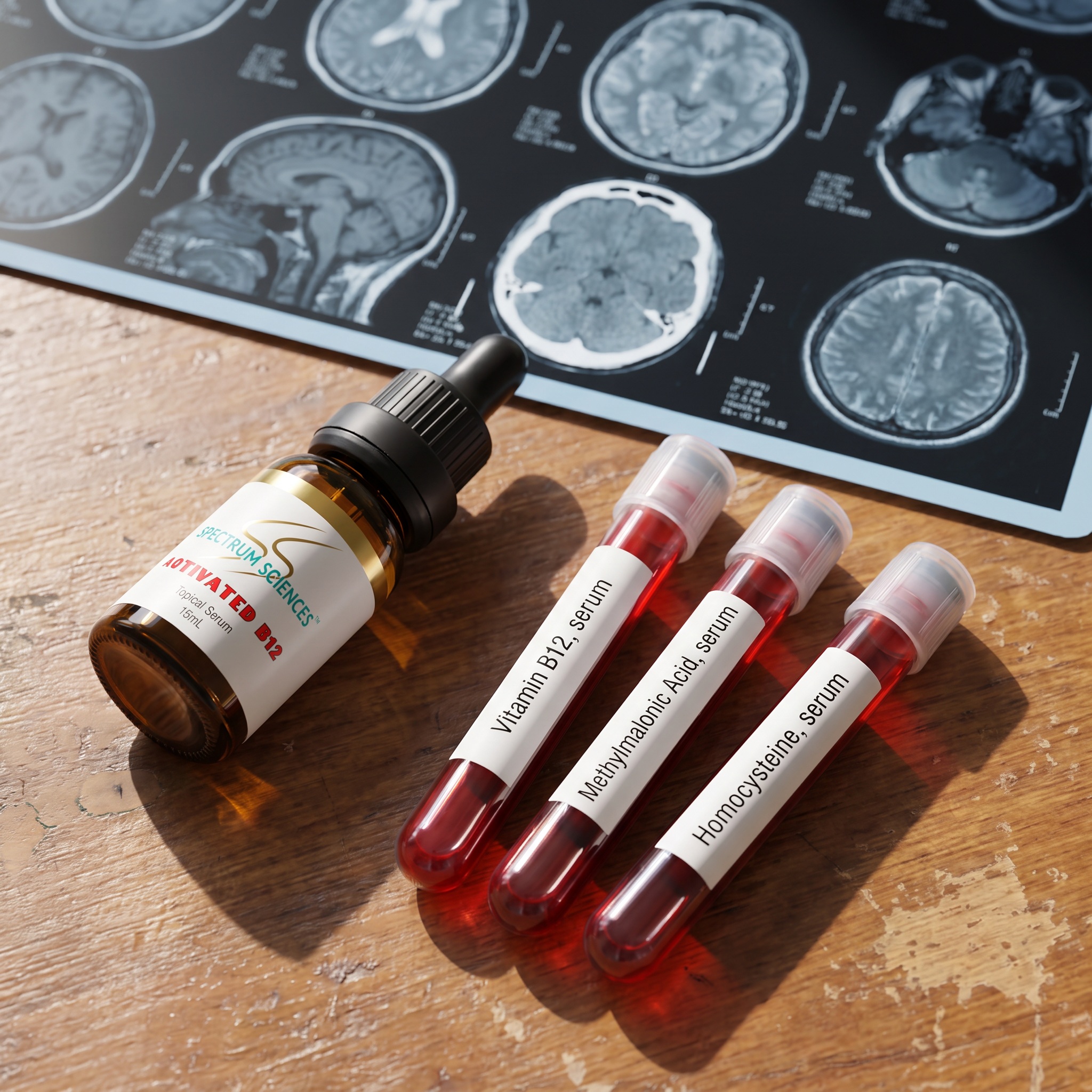
Vitamin B12, also known as cobalamin, supports the nervous system, red blood cell production, and DNA synthesis. For families touched by autism spectrum disorder (ASD), a growing body of research is asking whether low B12 status contributes to the neurological and behavioral symptoms seen in autism. The evidence does not yet offer one simple answer, but the connections that researchers have found are worth understanding. In this article, we look at the signs supporting B12 deficiency in autism.
Part of the reason this association matters is that B12 deficiency is treatable. If a child's symptoms are made worse by low B12, identifying and addressing the deficiency could improve quality of life in meaningful ways. The challenge is that B12 deficiency and autism can look similar on the surface, which makes research on the overlap so important.
Much of the current evidence comes from reviews and small-scale clinical studies. That means the findings should be seen as direction-setting rather than definitive. Still, the patterns that keep appearing in the research are consistent enough to justify attention from families and clinicians alike.
Research Points to Overlapping Symptoms
One of the most striking findings in the research is the overlap between the symptoms of B12 deficiency and the symptoms of autism. In both long-term cobalamin deficits and autism spectrum disorder, neurological symptoms may occur, including motor, cognitive, and mood-related impairments. This overlap can make it difficult to tell the two conditions apart in clinical settings.
Pediatric B12 deficiency can look very similar to autism. Both autistic and brain-injured B12-deficient children show obsessive-compulsive behaviors and difficulty with speech, language, and writing. For this reason, some clinicians urge families and doctors to consider B12 status before settling on a diagnosis.
The symptom overlap goes beyond communication and behavior. B12 deficiency also causes many autism symptoms such as fatigue, sensory sensitivity, irritability, and depression. A child who is struggling with unexplained fatigue or heightened sensory responses may be dealing with low B12 rather than, or in addition to, autism itself.
Brain B12 Levels May Be Lower in Autism
Blood tests are the standard way to measure B12 status, but they may not tell the whole story. Research has found that individuals with autism or schizophrenia have unusually low brain levels of vitamin B12, according to a study partially funded by the Autism Research Institute. This is an important distinction, because it suggests that B12 status in the brain can be low even when peripheral measurements appear normal.
The idea of a functional B12 deficiency helps explain this pattern. A person can have blood B12 levels in a normal range while their cells, including brain cells, are still not getting the B12 they need. This concept has driven much of the interest in how B12 is delivered and absorbed, and it is one reason researchers are looking beyond standard serum tests.

Possible Mechanisms Connecting B12 and Autism
Researchers have proposed several biological pathways that could link B12 deficiency to autism. These mechanisms are not mutually exclusive, and they help explain why B12 status matters for neurological health.
Methylation and DNA Support
B12 plays a central role in methylation, a biochemical process that helps regulate DNA expression, detoxification, and the production of neurotransmitters. Several studies suggest that in some children, methyl B12 may ease autism symptoms by improving DNA methylation. These findings have generated continued interest in methylation support for autism.
Methylation is a fundamental process in every cell of the body. When it is not running smoothly, the effects can be felt across multiple systems, including the brain. This may explain why researchers are paying close attention to B12, since it is one of the key nutrients required for methylation to function.
Gut Health and Dysbiosis
Another potential mechanism linking low B12 levels to ASD involves the balance of bacteria in the gut. Dysbiosis, an imbalance in gut microbiota, is commonly observed in autism spectrum disorder and may interfere with nutrient absorption. Autism is associated with a lower vitamin B12 uptake that has been attributed to a dietary intake poor in vitamin B12 and dysbiosis in the lining of the intestine.
Because B12 is absorbed in the digestive tract, any disruption to gut health can affect how much of this vitamin actually reaches the body's tissues. For autistic children who are selective eaters, a diet that lacks animal-based foods rich in B12 can compound the problem. Supporting gut health may therefore play a role in improving B12 status.
Detoxification Support
Research has shown that methyl B12, also known as methylcobalamin, can help relieve symptoms of autism. In the body, B12 assists with detoxification, which is one reason it is often discussed in the context of neurological conditions. Supporting the body's natural detox pathways may be especially relevant for children whose systems are under pressure from environmental or metabolic stressors.
The Risk of Misdiagnosis
B12 deficiency is often missed in children because its symptoms resemble other conditions. Pediatric B12 deficiency is frequently misdiagnosed, and the condition can place children at high risk for permanent brain injury. When a deficiency goes unrecognized for a long period, the neurological effects can become more difficult to reverse.
This is why many advocates and clinicians recommend evaluating B12 status early in the diagnostic process. If a child's symptoms are actually caused by a deficiency, addressing the deficiency may improve outcomes in a way that autism-specific therapies alone cannot. Parents who suspect a deficiency should raise the question with their child's healthcare provider.

What Supplementation Research Shows
Several studies have explored whether B12 supplementation can ease autism symptoms. One study found that B12 injections eased autism symptoms, with researchers linking the improvements to enhanced DNA methylation. Another body of research has focused on methyl B12, a form of the vitamin that participates directly in methylation reactions.
The results are promising. The same researchers who observed symptom improvement have called for larger, more rigorous studies to confirm the effects and identify which children are most likely to benefit. Families considering B12 supplementation should view it as one piece of a broader care plan rather than a standalone treatment.

Why Delivery Method Matters for B12
For families exploring B12 support, how the vitamin is delivered can be just as important as the dose. Oral B12 absorption depends on a protein called intrinsic factor, which is produced in the stomach. When intrinsic factor is limited, much of an oral supplement passes through the digestive tract without being absorbed. This bottleneck can leave functional B12 deficiency in place even when a child takes a daily oral supplement.
Injections bypass the digestive tract, which is one reason they have been used in clinical studies. Some families, however, find injections difficult to administer to children who are sensitive to needles. Transdermal B12 oil offers another non-oral option. The B12 Protocol from Spectrum Sciences delivers activated B12 through the skin, along with companion nutrients such as iodide, selenium, and molybdenum that support methylation and thyroid function. The approach is designed for families who want a practical alternative to pills and shots.
It is important to note that the FDA has not evaluated statements about dietary supplements, and transdermal B12 products are not intended to diagnose, treat, cure, or prevent any disease. Families should work with a qualified healthcare provider to interpret lab results and decide on a supplementation strategy.
Frequently Asked Questions
These are some of the most common questions families ask when researching the relationship between B12 deficiency and autism.
Can B12 deficiency be mistaken for autism?
Yes, the symptoms overlap significantly. Both autistic and B12-deficient children can show obsessive-compulsive behaviors, speech and language difficulty, fatigue, sensory sensitivity, irritability, and depression. Because of this overlap, pediatric B12 deficiency is sometimes misdiagnosed as autism. Recognizing a deficiency early matters, because long-term cobalamin deficits can place children at risk for permanent brain injury.
Does B12 supplementation help with autism symptoms?
Research suggests it does. Several studies found that methyl B12 shots eased autism symptoms in some children, with improvements linked to DNA methylation. Researchers caution that larger studies are needed. The evidence is encouraging for families seeking non-oral options, but B12 should be considered as part of a comprehensive care plan, not a standalone cure.
What is methyl B12?
Methyl B12, also called methylcobalamin, is a form of vitamin B12 that participates directly in methylation reactions in the body. Research has shown that methyl B12 can help relieve symptoms of autism, and it assists with detoxification. It is one of the forms used in B12 supplementation studies and is the form featured in transdermal B12 products designed for neurological support.
Why might B12 levels be low despite a normal diet?
Low B12 can occur even when intake seems adequate because absorption depends on healthy gut function and intrinsic factor. Autism is associated with lower B12 uptake linked to dysbiosis in the intestinal lining and poor dietary intake. In some cases, blood levels appear normal while brain levels remain low, a pattern called functional B12 deficiency. This is why delivery method and absorption matter.
What should a family do if they suspect a B12 deficiency?
The first step is to talk with a qualified healthcare provider about testing and symptoms. If a deficiency is confirmed or strongly suspected, a provider can help families weigh options such as injections or a transdermal product. Because pediatric B12 deficiency can be misdiagnosed and carries a risk of permanent brain injury, prompt evaluation is the safest course.