Vitamin B12 Supplements for Vegans: Why Topical Delivery Makes Sense
Vitamin B12 holds an unusual position in vegan nutrition. It is the one nutrient that appears naturally in animal foods such as meat, dairy, and eggs, while offering no reliable plant-based equivalent. For anyone eating a plant-based diet, that reality turns B12 into a daily decision rather than an afterthought. In this article, we will look at the nuances of vitamin b12 supplements for vegans.
Nutrition research makes the stakes clear. A 2022 review on the importance of vitamin B12 for people choosing plant-based diets found that the most at-risk population is vegans who do not take any form of vitamin B12 supplement. The takeaway is simple: a vegan diet needs a deliberate B12 strategy, and the type of supplement chosen can matter as much as the decision to supplement at all.
That is where topical delivery enters the conversation. Transdermal B12, applied as an oil to the skin, offers a different route into the body than a swallowed tablet. It bypasses the intestinal absorption steps that limit how much oral B12 actually reaches your cells. For vegans who have relied on fortified foods or pills and still feel tired, unfocused, or neurologically off, the delivery method may be the missing piece.
The B12 Problem on a Plant-Based Diet
Vitamin B12 is found in meat, dairy, and eggs. In contrast, there are no reliable plant sources of this nutrient. That is the core challenge for vegans, and it is why major vegan organizations state that the only reliable vegan sources of B12 are fortified foods, including some plant milks, some soy products, and some breakfast cereals, along with B12 supplements.
Some natural-food advocates point to fermented foods such as kombucha as a possible source. One source suggests that a 10-ounce glass of kombucha can provide over 340 percent of the reference daily intake for B12. But mainstream vegan nutrition guidance remains cautious. Vegan health experts describe B12 as arguably the most important nutrient in vegan nutrition, and relying on fermentation to cover a nutrient this critical is a gamble most practitioners would not take.
Why Fortified Foods and Oral Pills Are Not Enough for Everyone
Fortified foods are a reasonable starting point, but they come with variability. The amount of B12 in a fortified plant milk, soy product, or breakfast cereal depends on the brand, the batch, and how the product is stored and prepared. For a nutrient with this much influence over neurological health and energy, depending on variable food processing adds unnecessary risk.
Oral supplements have their own limitation: absorption. To absorb B12 through the digestive tract, the vitamin must bind with intrinsic factor, a protein produced in the stomach. This intrinsic factor bottleneck limits how much of a swallowed dose actually enters the bloodstream. Many vegans assume that a high-dose tablet guarantees high delivery to the cells. In reality, the digestive system keeps a firm ceiling on how much can cross from the gut into circulation, which is a measly 2 micrograms!
There is also a practical problem with pills. Some people have difficulty swallowing tablets, and many children refuse vitamins altogether. Parents of children on the autism spectrum often describe the daily battle of trying to get a child to take a chewable or a fast-dissolve tablet. If a supplement cannot be taken consistently, its theoretical benefits never show up in practice.

Functional B12 Deficiency: When Blood Tests Look Normal
Here is a situation that confuses many vegans: blood tests show a normal B12 level, yet symptoms continue. Fatigue, brain fog, tingling, mood changes, and poor concentration persist even when lab work looks fine. This is the reality of functional B12 deficiency, a condition in which blood levels appear normal but cells are still not getting enough usable B12.
Functional deficiency shifts the focus from how much B12 is in the blood to how much B12 is actually reaching the tissues that need it. Methylation, the biochemical cycle that supports neurological function, DNA repair, and cellular energy, depends on B12 being available inside cells, not just floating in the bloodstream. If absorption is poor, the vitamin may never reach the places where it is needed most.
This is why delivery method matters. It is not only about the dose on the label. It is about whether that dose reaches the cells in a form the body can use.
Why Topical Delivery Makes Sense for Vegans
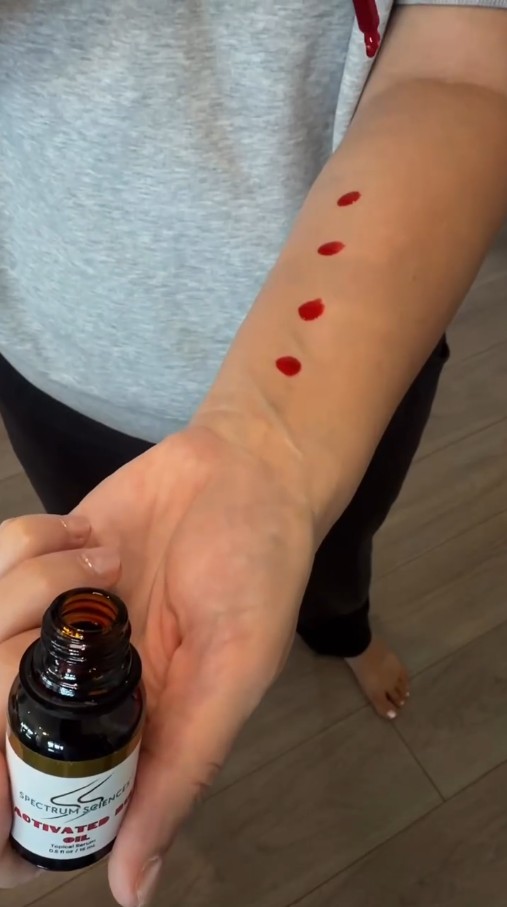
Topical delivery, also called transdermal delivery, applies B12 directly to the skin in an oil form. The nutrient absorbs through the skin and enters circulation without needing to pass through the stomach and bind with intrinsic factor first. In effect, topical B12 skips the absorption bottleneck that limits oral supplements.
When it comes to vitamin b12 supplements for vegans, this offers several practical advantages:
-
It sidesteps the digestive variability that comes with fortified foods and swallowed tablets.
-
It provides an option for people who cannot or will not take pills, including children who refuse vitamins.
-
It addresses the functional deficiency problem by focusing on cellular delivery rather than just blood levels.
The topical approach also fits into a broader protocol. The B12 Protocol, for example, is a step-by-step framework that combines transdermal B12 with companion nutrients and supporting steps such as thyroid optimization, B2 activation, and methylation support. The idea is that B12 does not work in isolation. Supporting nutrients help the body put B12 to work in the methylation cycle that powers neurological and cellular health.
For adults with chronic fatigue, neurological conditions, or a history of trying oral supplements and injections without lasting relief, topical delivery represents a different path. Instead of asking the digestive system to handle a large oral dose, the skin does the work of getting the vitamin into the body.

Comparing Vegan B12 Supplement Formats
|
Format |
How It Works |
Potential Limitation |
|---|---|---|
|
Fortified foods |
B12 is added to plant milks, soy products, and breakfast cereals, then absorbed through the digestive tract where absorption has a low ceiling |
Intake varies by brand, batch, and preparation |
|
Oral tablets |
Swallowed dose is absorbed through the digestive tract where absorption has a low ceiling |
Requires intrinsic factor; absorption has a ceiling |
|
Fast-dissolve lozenges |
Product dissolves in the mouth where it is then absorbed through the digestive tract (low absorption ceiling); no absorption occurs under the tongue |
Still relies on oral absorption; not ideal for pill-averse children |
|
Transdermal oil |
Applied to the skin and absorbs through the skin into circulation; no defined absorption ceiling |
Less familiar to consumers |
What to Look For in a Vegan B12 Supplement
The market for vegan B12 supplements is crowded. Products range from 400 mcg in a vegan multivitamin to 500 mcg per serving in standalone formulas to 5000 mcg in high-strength tablets and fast-dissolve lozenges. Some brands emphasize sustained release, while others advertise vegan certification from organizations such as the Vegan Society. Certain formulas also pair B12 with folate and vitamin B6 to support the nervous system, healthy brain function, and energy production.
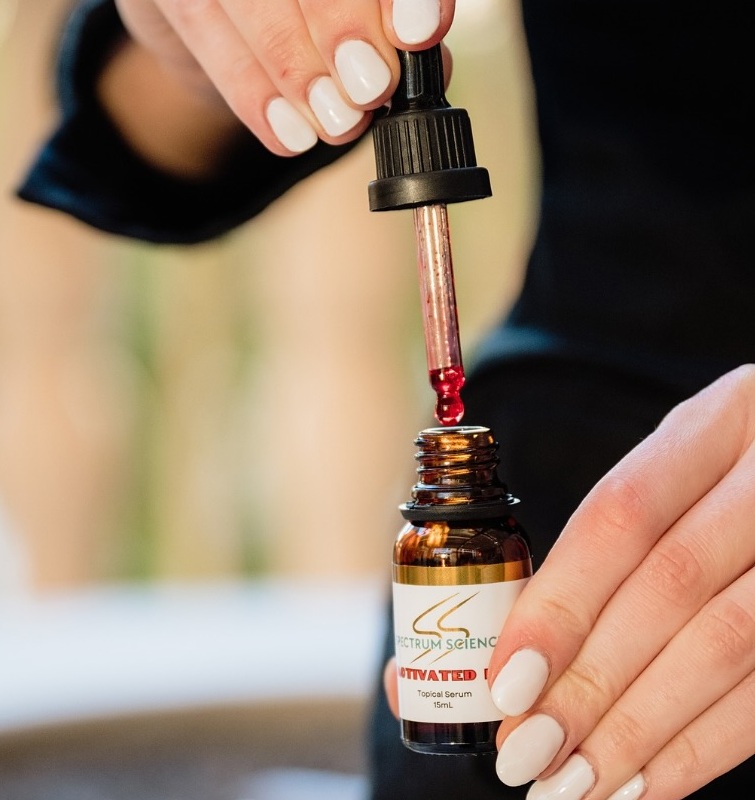
The right choice depends on your situation. A vegan who eats a varied diet with fortified foods may do well with a moderate supplement. A person with absorption concerns, neurological symptoms, or a child who refuses pills may need a delivery method that bypasses the gut entirely. In that case, a transdermal oil with activated B12 and full ingredient transparency is worth considering.
Look for brands that disclose all ingredients, use well-rated components, and are clear about their product standards. The most effective supplement is the one you can use consistently, and for many families that means choosing a format that fits real life. As with any supplement, talk with a healthcare professional about your individual needs.
Frequently Asked Questions
Can vegans get enough vitamin B12 from food alone?
Vegan health organizations answer this with caution. B12 is found naturally in meat, dairy, and eggs, and there are no reliable unfortified plant sources. Some sources point to fermented foods like kombucha as potentially rich in B12, but the only sources widely considered reliable are fortified foods and supplements. A 2022 research review identified vegans who take no B12 supplements as the most at-risk group.
What B12 dose should a vegan take?
There is no single dose that fits every vegan. Commercial vegan B12 products commonly provide 400 mcg, 500 mcg, or 5000 mcg per serving, sometimes as sustained-release tablets or fast-dissolve lozenges. Your individual needs depend on your diet, your digestive health, and whether you have signs of functional deficiency. A healthcare provider familiar with plant-based nutrition can help interpret blood tests and symptoms.
Why might my B12 blood test be normal while I still feel tired?
This is the classic pattern of functional B12 deficiency. Blood levels can look normal while cells are still not receiving enough usable B12. If intracellular absorption is limited by a cofactor shortage bottleneck, the vitamin may stay in the bloodstream instead of entering tissues that support methylation, red blood cell production, and cellular energy. That is why delivery method can influence how you feel.
Is topical B12 a good option for someone who cannot swallow pills?
Yes, and this is one of the strongest reasons to consider transdermal delivery. A topical B12 oil applied to the skin bypasses the digestive system entirely, which makes it useful for children who refuse vitamins and adults who struggle with tablets. Because it does not rely on intrinsic factor for absorption, it offers an alternative for people who have used oral supplements without noticeable results.