

Vitamin B12 Deficiency Treatment: Options Beyond Pills and Shots
Vitamin B12 deficiency is a treatable condition that develops when you do not consume enough vitamin B12 in your diet or when your body does not absorb it properly. It can cause physical, neurological, and psychological symptoms, and it can be treated with vitamin B12 medications. For most people, the journey starts with a prescription and a needle. But the standard path is not the only path. In this article, we will explore three different methods of carrying out vitamin b12 deficiency treatment.
Beyond injections and oral tablets, there is growing interest in delivery methods that work around the limits of the digestive tract. Transdermal B12, applied to the skin as a topical oil, is one of those options. This article walks through the evidence behind the standard treatments and explains why some people are choosing a route that avoids both swallowing pills and scheduling shots.
Recognizing the Symptoms That Point to Treatment
Vitamin B12 deficiency can cause physical, neurological, and psychological symptoms, according to the Cleveland Clinic. These can range from fatigue to changes in mood and cognition. Because the signs overlap with many other conditions, deficiency is often suspected only after blood tests confirm low levels.
Once a deficiency is confirmed, treatment is warranted. The Australian Prescriber notes that treatment of vitamin B12 deficiency is warranted in patients with confirmed deficiency and is dependent on the underlying cause and severity. That means the same set of symptoms can lead to different treatment plans depending on why the deficiency developed in the first place.
The Standard Treatment: B12 Injections First
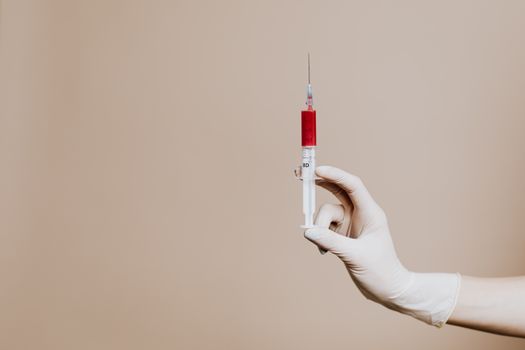
For most people with vitamin B12 deficiency anemia, treatment begins with injections. According to the NHS, vitamin B12 deficiency anemia is usually treated with injections of hydroxocobalamin. At first, these injections are given every other day for two weeks, or until your symptoms start improving. After that, the schedule shifts to maintenance care.
Clinical guidelines follow a similar rhythm. British Columbia guidelines recommend 1000 mcg of vitamin B12 every other day initially for approximately two weeks, followed by administration once monthly. WebMD describes the same pattern: you will likely need shots of vitamin B12 at first, and then you may need to keep getting shots or switch to taking high doses of a supplement by mouth.
The injection approach works because it delivers vitamin B12 directly into the bloodstream. No digestion is needed, which makes it reliable even when the gut cannot absorb the vitamin properly. For severe deficiency, or for deficiency caused by absorption problems, shots are often the fastest way to restore levels.
High-Dose Oral B12: A Pill That Works for Some
Injections are not the only evidence-supported option. A 2005 Cochrane review involving 108 patients with vitamin B12 deficiency found that high-dose oral replacement at 1 mg to 2 mg (1000 to 2000 mcg) per day produced a similar elevation in serum B12 levels as injected B12. That finding seemingly gave clinicians a practical alternative for patients who dislike needles or who need a convenient long-term maintenance option. However, we now know that serum levels are often not a good indicator of functional B12 status, and that is one of the limitations of the Cochrane review.
Oral therapy relies on absorption in the digestive tract, which requires intrinsic factor, a protein made in the stomach. When intrinsic factor is lacking, or when the gut cannot absorb B12 for another reason (inflammation, bariatric surgery, etc), even a high-dose pill may not deliver enough of the vitamin to the tissues that need it. This is why oral B12 is not the right choice for everyone, and it is why researchers have continued to look for delivery routes that bypass the gut entirely.
When Pills and Shots Fall Short
Several common scenarios make standard options difficult. Some people cannot swallow tablets. Some children refuse vitamins in any pill form, which is a frequent challenge for families navigating neurodevelopmental conditions. Others have digestive issues that make oral absorption unreliable, and many adults simply do not want to arrange repeated medical appointments for injections.
In these cases, the treatment goal stays the same, but the delivery method needs to change. Folate can also be part of the picture. Johns Hopkins Medicine notes that treatment may include vitamin B12 shots and folate pills, and that foods rich in folate include orange juice and oranges. A combined approach that includes dietary support can help the body use the B12 it receives.

Transdermal B12: Treatment Beyond Pills and Shots
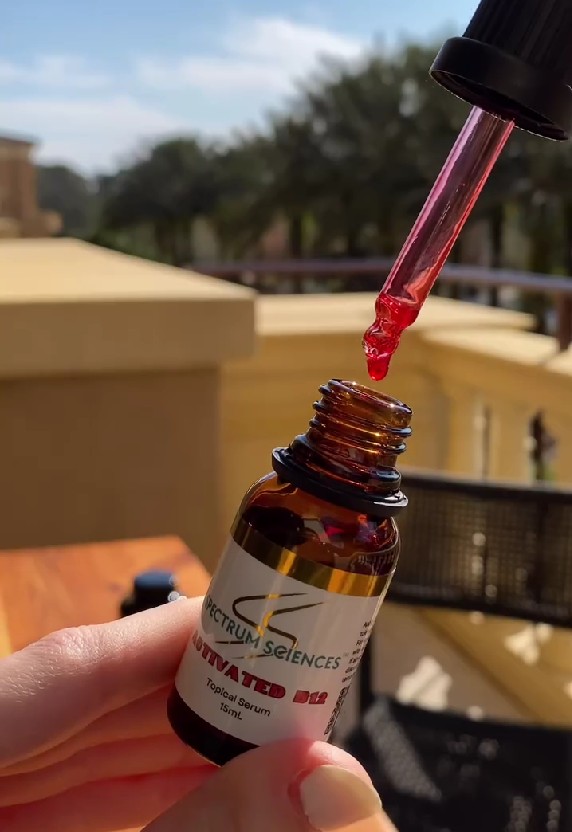
Transdermal B12 is delivered as a topical oil applied to the skin. The principle is simple: instead of depending on the digestive tract to absorb the vitamin, the B12 is absorbed through the skin into the bloodstream. For people who have struggled with oral supplements or who want to avoid injections, this creates a third option.
The approach is particularly relevant for functional B12 deficiency, a situation where blood levels look normal but cells still lack the vitamin. In that case, the standard lab test can miss the problem, and oral doses may not correct it. Transdermal delivery bypasses the intrinsic-factor bottleneck that limits oral absorption, which is why some practitioners and supplement brands have embraced it for long-term support.
Transdermal B12 products are often bundled with companion nutrients. Some protocols include iodide, selenium, and molybdenum oils, along with a multivitamin, to support the methylation pathway that B12 depends on. Product designs vary by brand, so it is important to review the full ingredient list before choosing one. In the United States, the FDA does not evaluate dietary supplements for safety or efficacy before they are marketed, so consumers are responsible for checking what they are buying.
How Long Does B12 Treatment Take to Work?
Patients often want a timeline, and the research provides a useful one. The initial injection phase runs every other day for two weeks or until symptoms begin to improve. After that, maintenance doses are typically given once a month. For oral therapy, the Cochrane-reviewed dose of 1 mg to 2 mg (1000 to 2000 mcg) per day is taken continuously.
Looking at the bigger picture, a 2024 expert consensus published in the National Library of Medicine concluded that B12 treatment for a minimum of two months improves signs and symptoms in all patients with subclinical deficiency. Some neurological signs, such as Romberg's sign and mild sensory changes, may take longer to resolve than others.
The practical takeaway is that B12 treatment is not a one-day fix. The first two weeks address the acute shortage, while the following months restore neurological function and build stable levels. Anyone who has been treating a deficiency and still feels unwell after several weeks should review the plan with a healthcare professional, because the underlying cause and severity shape how quickly the body responds.
Choosing the Right Treatment Path
There is no single best treatment for every person with vitamin B12 deficiency. The right approach depends on why the deficiency developed, how severe it is, and what the patient can maintain over the long term. For confirmed deficiency, the evidence supports several effective routes: traditional injections, high-dose oral tablets, and, for certain situations, transdermal application.
The common thread is consistency. Whether the B12 comes from a needle, a pill, or a few drops of oil on the skin, the body needs regular, adequate amounts to repair the damage caused by the deficiency. If you are exploring options beyond pills and shots, talk to a clinician about your situation, review the evidence behind any product you consider, and confirm whether it has been evaluated by the FDA. The best treatment is the one that fits your body, your lifestyle, and your tolerance for needles. The sustained release profile of transdermal B12 may give this method a unique advantage over intramuscular injection and oral capsules in how quickly the damage from a functional B12 deficiency can be reversed.
Frequently Asked Questions
How long does it take to fix a vitamin B12 deficiency?
The initial treatment period usually lasts about two weeks, with injections given every other day until symptoms start improving. After that, maintenance therapy continues, often with once-monthly injections or daily high-dose oral supplements. A 2024 expert consensus found that B12 treatment for a minimum of two months improves signs and symptoms in all patients, with some neurological signs taking longer to resolve.
What is the fastest way to raise vitamin B12 levels?
Injections are typically used first because they deliver vitamin B12 directly into the bloodstream without relying on digestion. The standard schedule is an injection every other day for about two weeks. High-dose oral replacement at 1 mg to 2 mg per day has also been shown to be effective in correcting B12 deficiency, according to a 2005 Cochrane review, but this fails to acknowledge the paradoxical situation of functional B12 deficiency (serum levels are corrected but intracellular uptake is still insufficient).
Can vitamin B12 be absorbed through the skin?
Transdermal B12 products are designed to deliver the vitamin through the skin using a topical oil. This delivery route bypasses the digestive tract and is marketed as an alternative for people with oral absorption concerns or a dislike of injections. Anyone considering a transdermal product should review the ingredient list and understand that formulating a transdermal product requires nuance in delivering actives across the skin barrier.
Why do I still feel tired after taking vitamin B12?
Persistent fatigue after starting B12 treatment can mean the underlying cause has not been fully addressed. Treatment is dependent on the underlying cause and severity of the deficiency, so a plan that works for one person may not work for another. If symptoms continue beyond the two-week initial phase and the two-month improvement window, a healthcare professional should reassess the diagnosis and the delivery method. Correcting a functional B12 deficiency includes correcting any hypothyroid situation while ensuring adequate supply of folate and riboflavin.