

Transdermal Vitamin B12: What Parents Should Know About Topical B12
If your child refuses pills, gummies, or liquid vitamins, you already know how difficult supplement time can become. When the supplement in question is vitamin B12, the pressure feels greater, because B12 is closely tied to energy, focus, and nervous system health. Transdermal vitamin B12 offers a route that avoids the digestive system entirely: the nutrient passes through the skin. This guide explains what transdermal B12 is, how topical delivery compares to oral supplements and injections, and what parents should know before choosing a patch or oil.
The idea behind transdermal B12 is simple. Rather than asking a child to swallow something that tastes bad or feels too large, a caregiver applies a patch or a few drops of oil to the skin. No swallowing. No needles. The nutrient enters the body through the skin, which gives this approach a natural appeal for families who have struggled with conventional supplement formats.
What Is Transdermal Vitamin B12?
Transdermal delivery means a substance passes through the skin and into the bloodstream. This is not a new idea. Nicotine patches, hormone patches, and pain patches have used the same principle for years. Vitamin patches work the same way: they are adhesive stickers that hold a dose of vitamins, minerals, or nutritional supplements against the skin. Many B12 patches are described as latex-free, lactose-free, gluten-free, and sugar-free, which removes several common allergy and intolerance concerns.
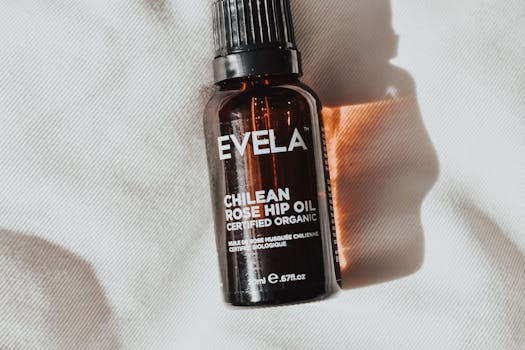
Topical oils are another transdermal format. Instead of a patch, a liquid oil is applied directly to the skin, usually on an area where the skin is thin, such as the inner wrist or arm. The oil absorbs over several minutes. Some products combine B12 with companion nutrients. Spectrum Sciences, the brand behind this article, sells a transdermal B12 oil as the core of a protocol that also includes iodide oil, selenium oil, molybdenum oil, and a transdermal multivitamin.
Why Delivery Method Matters for B12
Vitamin B12 has an absorption problem that many other vitamins do not. In the digestive tract, B12 depends on a protein called intrinsic factor, which is produced in the stomach. Intrinsic factor binds to B12 and helps the intestines pull it into the bloodstream. When the body does not produce enough intrinsic factor, or when the digestive system is not working well, B12 from food and oral supplements may pass through without being absorbed.
This can lead to a situation known as functional B12 deficiency. Blood tests may show normal levels of B12 while cells still lack the B12 they need for methylation and neurological function. Families who have tried oral drops, gummies, sprays, and tablets without seeing improvements often wonder why. The delivery method may be exactly the problem.
Transdermal B12 bypasses the intrinsic factor bottleneck entirely. Because the nutrient never travels through the stomach and intestines, it does not depend on intrinsic factor for absorption. That is the core argument for a topical approach, and it explains why transdermal products appeal to people with digestive issues, malabsorption concerns, and children who refuse oral supplements.

What the Research Says About Transdermal B12
The science on transdermal nutrient delivery is still catching up to consumer interest. A review published in 2021 and available through the National Institutes of Health's PubMed Central concluded that transdermal delivery seems promising for nutritional supplementation. The same review noted that limited evidence exists for its efficacy. In plain terms, the concept has real potential, but researchers have not yet produced a large body of proof.
A separate report from Parkview Health, published in July 2025, asked whether vitamin patches are just another supplement fad. The article reported that subjects in a patch group showed significantly lower levels of vitamins D, B1, and B12 than those taking oral supplements. That comparison suggests oral supplements raised blood levels more effectively than patches, at least in that review.
There are also cautionary stories. In October 2024, ConsumerLab reported on a person who relied on a transdermal multivitamin patch and developed a life-threatening vitamin deficiency. This case does not prove that all patches fail, but it is a reminder that topical products should not be treated as automatic replacements for proven oral supplementation without guidance from a healthcare provider.
Transdermal B12 Compared to B12 Shots
B12 injections have long been the standard option for people who cannot absorb B12 through digestion. Some ME/CFS experts recommend B12 supplementation to address imbalance, and this is usually done with injections. Shots deliver B12 directly into the muscle and completely bypass absorption barriers, which is why they work for many people.
Injections also come with practical challenges. They require needles, a steady hand, and a child who can tolerate the experience. For a child who already feels anxious about medical procedures, injection day can turn into a battle.
Transdermal B12 patches and oils were developed in part to solve these problems. Patch manufacturers describe their products as an easy and effective way to give the body B12, similar to applying a sticker. Some patch brands also claim benefits such as boosting energy, focusing attention, and reducing anxiety without pills or injections. For children who fear needles, the psychological advantage is obvious. Instead of a painful shot, the child gets a patch on the arm or a few drops of oil on the wrist, and that difference can make consistent supplementation far more realistic.
Who Might Consider Transdermal B12
The products referenced in this article come from Spectrum Sciences, a brand founded by autism parents. The company serves families with autistic children and adults living with neurological or chronic conditions. Sensory sensitivities can make oral supplements difficult for many children on the autism spectrum. Taste, texture, and smell can all become barriers, and some children simply refuse to take anything by mouth.
Transdermal B12 may also appeal to:
- Adults with chronic fatigue who have tried oral B12 and want to understand their options
- People who want a needle-free alternative to B12 injections
- Families looking for a supplement format that avoids the sensory issues of pills and liquids
- Anyone whose blood work shows a deficiency but who struggles to absorb oral B12
No supplement works if it never makes it into the body. For parents who have tried everything else, a transdermal product may be worth discussing with a doctor, especially if testing has confirmed a deficiency.

What to Look For in a Transdermal B12 Product
Because the evidence is still developing, parents should shop carefully. Not every patch or oil on the market offers the same transparency. Consider these points:
- Full ingredient disclosure: the label should state exactly what is in the product
- Independent ratings: some brands highlight certifications such as GRAS, ECOCERT, and EWG
- Form of B12: look for an activated B12 form if the product is intended to support methylation
- Companion nutrients: some protocols pair B12 with iodide, selenium, molybdenum, or a multivitamin
- Manufacturer communication: a brand that explains its delivery system in detail is usually more confident in what it sells
It is also important to remember that transdermal products are supplements, not medications. The U.S. Food and Drug Administration has not evaluated statements about these products, and they are not intended to diagnose, treat, cure, or prevent any disease. That disclaimer is not just legal language. It is a reminder to keep expectations grounded and to work with a qualified healthcare professional.
Frequently Asked Questions
Can B12 be absorbed transdermally?
The skin does allow certain substances to enter the bloodstream, which is why transdermal patches and oils exist as supplement formats. Research acknowledges that transdermal delivery seems promising for nutritional supplementation, though high-quality evidence specific to B12 is still limited. A physician or qualified practitioner can help you decide whether transdermal B12 makes sense for your child or for your own health needs.
Do transdermal B12 patches work?
Evidence is mixed. Some patch manufacturers report positive results, and a 2021 review described transdermal nutrient delivery as promising. However, a 2025 comparison found that patch users had significantly lower levels of vitamins D, B1, and B12 than oral supplement users. Another report linked a multivitamin patch to a life-threatening deficiency in one person. Patches may help some individuals, but oral supplements remain better studied in some comparisons.
Which B12 is best for neuropathy?
This question depends heavily on the underlying cause of neuropathy, and the materials reviewed for this article did not provide a direct answer. A doctor can order appropriate testing and recommend a specific form and delivery method. For topical products, look for an activated form of B12 and full ingredient disclosure so you know exactly what is being applied to the skin.
What are the potential side effects of using vitamin B12 patches?
Specific side effects for B12 patches were not listed in the materials reviewed for this guide. The greatest documented risk is relying on a patch and developing a deficiency, as in the 2024 case report described earlier. Some patches are free of latex, lactose, gluten, and sugar, which removes common allergy triggers. It is still wise to test a small area of skin before regular use and to stop if irritation appears.