

Transdermal B12: How Topical Vitamin B12 Absorption Works
Vitamin B12 is necessary for nervous system functions, and low levels of the vitamin have been linked to conditions that affect the brain and nerves. Most people get B12 from food or oral supplements, but those options do not work well for everyone. Transdermal B12, delivered through the skin as a patch or topical oil, has become a popular alternative. This article explains how transdermal B12 absorption works, what the research shows, and what to expect from topical B12 products.
What Is Transdermal B12?
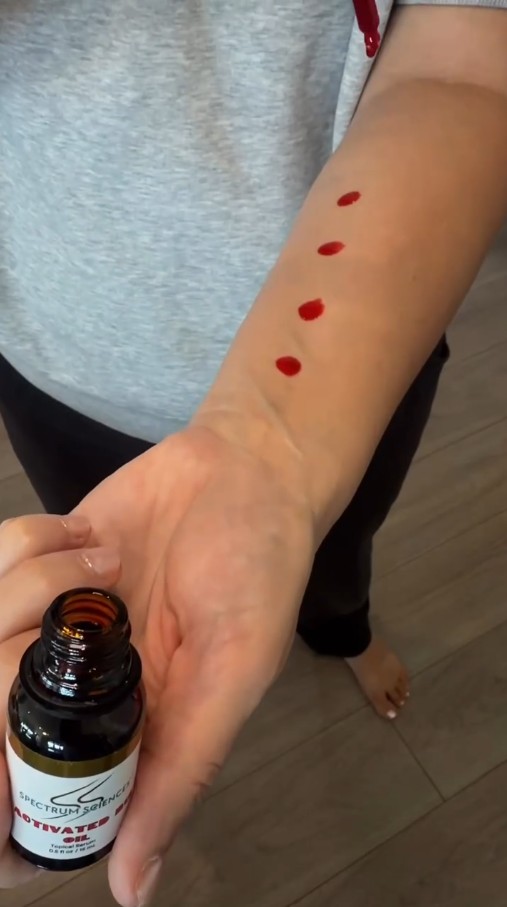
Transdermal B12 is vitamin B12 that is absorbed through the skin rather than through the digestive tract. It is sold in two main formats. The first is a wearable patch that releases a measured dose of B12 while it is worn. The second is a topical oil that is applied directly to the skin, often on the wrist or inner arm.
Patches are commonly formulated with methylcobalamin, one of the active forms of vitamin B12. Many are marketed to support energy, focus, memory, and metabolism. A typical product delivers 1000 micrograms of B12 per patch and comes as a 30-day supply. Some patches are caffeine-free and designed to be worn as part of a daily routine.
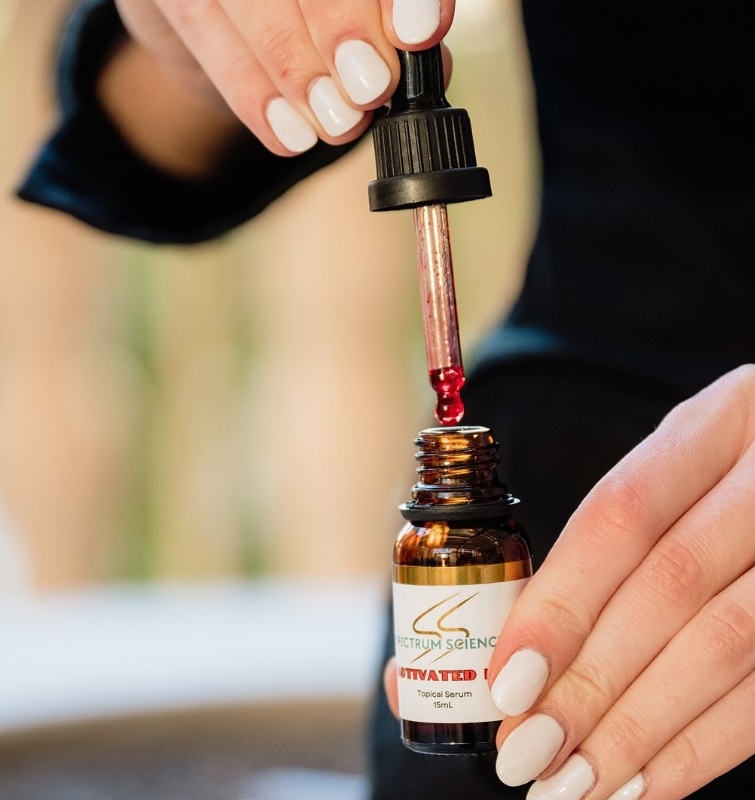
Topical oils take a different approach. One transdermal B12 oil is described by users as having a light rose scent and providing a lasting effect. The oil format gives the user more control over the amount applied.
Why Vitamin B12 Levels Matter
B12 plays an essential role in the body, particularly in the nervous system. A 2023 study on nanofiber-based delivery systems noted that vitamin B12, which is necessary for nervous system functions, is often found to be low in patients with Alzheimer's disease. That same study pointed to vitamin B12 deficiency as a concern in this population.
These findings are part of a larger body of research connecting B12 status to neurological health. While deficiency is not the only factor in complex conditions, maintaining adequate B12 levels is a common goal for people concerned about memory, focus, and nerve function. This is one reason transdermal B12 has attracted attention as a possible alternative to swallowing supplements.
How Transdermal B12 Absorption Works
The skin acts as a barrier, but substances applied to it can pass through the outer layers and enter the bloodstream. The scientific term for this is transdermal delivery, and researchers have studied this route for vitamin B12 for years.
A 2011 study by Yang and colleagues examined chemical and physical enhancement techniques for delivering cyanocobalamin, a common synthetic, inactive form of vitamin B12, through the skin. The study concluded that a transdermal route for delivering cyanocobalamin holds promise when enhancement techniques are incorporated into the formulation. The authors also found that therapeutically relevant doses of the vitamin could be delivered through the skin under those conditions. While the study referenced above used cyanocobalamin, the principles can be applied to any form of vitamin B12 due to nearly identical chemical structures.
The concept is also reflected in patent literature. Patent filings describe compositions and devices for transdermally administering vitamin B12 to a subject. The existence of these filings shows that skin-based B12 delivery has been taken seriously by inventors and supplement manufacturers alike.
Transdermal delivery matters because it bypasses the digestive tract entirely. For people who prefer not to take pills, or who have trouble swallowing supplements, a patch or oil is a practical option. The 2011 research suggests that, with the right formulation, the skin can deliver meaningful amounts of B12.
What the Research Shows
The evidence on transdermal B12 is mixed. It is important to look at both the promising findings and the cautionary ones.
Promising Laboratory Findings
The 2011 study on cyanocobalamin found that the transdermal route holds promise, especially when the formulation includes enhancement techniques. The research was conducted in vitro, meaning in a controlled laboratory setting, rather than in human volunteers. That is an important limitation to keep in mind when applying the results to real-world products.
More recent research has explored other ways to deliver B12 through the skin. A 2023 study investigated nanofibers loaded with donepezil and vitamin B12. The study highlighted both the importance of B12 for nervous system functions and the low B12 levels seen in patients with Alzheimer's disease. This work is still experimental, but it shows continued interest in topical B12 delivery for neurological support.
The 2025 Patch Comparison
A 2025 report took a skeptical look at vitamin patches, including B12 patches. In a comparison of patch users and oral supplement users, subjects in the patch group showed significantly lower levels of vitamins D, B1, and B12 than those taking oral supplements. In other words, the patch did not deliver as much of these vitamins into the body as the pill did.
This finding does not prove that every transdermal B12 product fails. Formulations vary widely, and the 2011 research shows that enhancement techniques can improve delivery. But the 2025 report is a reminder that not all patches (or transdermal products in general) on the market perform equally. Anyone considering transdermal B12 should compare products carefully and discuss the choice with a healthcare professional.
Transdermal B12 Product Formats
B12 Patches
B12 patches are the most common form of transdermal B12. They are sold under brand names such as PatchAid and PatchMD. Product descriptions emphasize energy, focus, memory, and metabolism support. One popular patch delivers 1000 mcg of B12 and is sold as a 30-day supply. Another is described as doctor-recommended and comes in a 30-day patch set.
Patches are also formulated specifically with methylcobalamin. One such product is described as a wearable patch designed to support the body's natural energy metabolism as part of a daily routine, and it is caffeine-free. The PatchMD site describes its vitamin B12 patch as a natural method for boosting energy, focusing attention, and supporting well being.
Experimental Delivery Systems
Researchers continue to develop new ways to deliver B12 through the skin. The 2023 nanofiber study is one example. While these experimental systems are not yet available as consumer products, they point to the future of transdermal nutrient delivery and may lead to more effective formulations over time.
What Users Report About Transdermal B12
Transdermal B12 oils are less common than patches but have a dedicated following. Online communities provide a glimpse into how people use transdermal B12 in daily life. In a forum for people with chronic fatigue syndrome, transdermal B12 appeared on a list of interventions that improved symptoms for some sufferers over the course of hours or days. This timeline, with changes noticed much faster than traditional supplements, is part of what draws people to the approach.
One user of a transdermal B12 oil reports that it works, focuses the mind, and produces a feeling of being energized. The same user notes that the product has a light scent and lasts a long time. These are personal accounts rather than clinical proof, but they help explain the growing interest in topical B12 among people seeking alternative options.
What to Look For in a Transdermal B12 Product
If you are considering transdermal B12, a few factors deserve attention before you buy.
Form of B12. Look for the specific form listed on the label. Methylcobalamin is common in patches, while cyanocobalamin was the form used in the 2011 transdermal research, yet may have limited benefit.
Dose. Many patches contain 300-1000 mcg of B12. Compare this with your needs and with the dose in any oral supplement you already take.
Format. Decide between a patch you wear for a set period and an oil you apply directly. Each has different practical considerations. The dosage of a patch is very limited, while the dosage in a topical oil can be much greater.
Additional ingredients. Some patches are caffeine-free, while some oils contain fragrance. Check the ingredient list for anything you want to avoid.
Supply length. Consider how many doses are in a single container.
Marketing language such as "boost energy" and "doctor recommended" should be weighed against the mixed research. A healthcare provider can help you decide whether a patch, an oil, or an oral supplement is the best fit for your situation.
Frequently Asked Questions
Can B12 be absorbed through the skin?
Research suggests yes, under the right conditions. A 2011 study found that a transdermal route for delivering cyanocobalamin holds promise when enhancement techniques are incorporated, with therapeutically relevant doses possible. However, a 2025 comparison found that patch users had lower B12 levels than oral supplement users, so effectiveness depends heavily on the specific product and formulation.
What is the difference between methylcobalamin and cyanocobalamin?
Both are forms of vitamin B12. Methylcobalamin is commonly used in B12 patches and is described as supporting the body's natural energy metabolism due to it being an active form of the vitamin. Cyanocobalamin is another form that was used in laboratory research on transdermal delivery but is not an active form of the vitamin. Both can appear in topical products, so it is worth reading the label to know which form you are getting. Adenosylcobalamin is the other active form of vitamin B12 and is less common in transdermal products.
Are B12 patches as effective as oral supplements?
The evidence is not settled. The 2011 transdermal study reported promising results with enhanced formulations. A 2025 report found significantly lower vitamin levels in a patch group compared with an oral supplement group. Because patch formulations vary widely, results from one study may not apply to every product on the market.
How fast does transdermal B12 work?
User reports from people with chronic conditions describe noticing improvements in symptoms over the course of hours or days. Clinical studies do not provide a consistent timeline for transdermal B12 effects. Individual results depend on the product formulation, the dose applied, and the person using it, so expectations should be set accordingly.