
How to Use Transdermal B12 Oil: Best Practices for Parents
If your child refuses pills, gummies, or injections, you already know how hard B12 supplementation can be. Many parents turn to transdermal B12 oil because it skips the swallowing battle and the needle anxiety entirely. The effectiveness is also superior to oral delivery methods. Instead of digesting a tablet or scheduling a shot, you simply apply a small amount of oil to the skin. It sounds simple, but getting the best results depends on using the product correctly. Here is what you need to know about applying transdermal B12 oil, where to put it, and what to expect once you start.
What Is Transdermal B12 Oil?
Transdermal B12 oil is a topical supplement that delivers vitamin B12 through the skin rather than through the digestive tract. These products are formulated as transparent solutions of various forms of vitamin B12, including methyl, hydroxy, adenosyl, and combination blends. The deep red formulations are typically sold as light-protected solutions because the active ingredients can break down when exposed to bright light.
The goal of transdermal delivery is to bypass the absorption limits that oral supplements face. When you swallow a B12 pill, the nutrient must bind with intrinsic factor in the gut to be absorbed. Furthermore, blood levels can look normal while cells still struggle (pro tip: instead of checking serum B12 to assess your status, look at methylmalonic acid (MMA) and homocysteine. When plasma levels are sufficient, or even elevated, yet cells are starved of B12, this situation is sometimes called functional B12 deficiency, and transdermal products aim to address it by giving the nutrient a different entry path into the body along with sustained release advantages.
How Does Transdermal B12 Absorption Work?
The skin is a protective barrier, and vitamin B12 is a large molecule. That raises a fair question: can B12 actually pass through the skin? The answer depends on the product and how it is formulated. Some sources in the B12 community are skeptical, noting that the B12 molecule may be too large to pass through the skin unaided. At the same time, published research on B12 shows that transdermal delivery holds promise when enhancement techniques are incorporated into the formula.
In practical terms, this means the design of the oil matters. Transdermal products are applied to areas where the skin is thin, such as the inner wrist or arm, which makes absorption easier. The oil format also keeps the nutrient in contact with the skin longer than a lotion or spray that is rubbed in quickly. While transdermal B12 is not identical to an injection, it offers a similar absorption profile for families who want a non-oral option without needles.
Step-by-Step: How to Use Transdermal B12 Oil
Following the application directions carefully can make a real difference in how much B12 actually gets absorbed. The general process for a topical B12 oil is straightforward. Here is a general set of directions on how to apply:
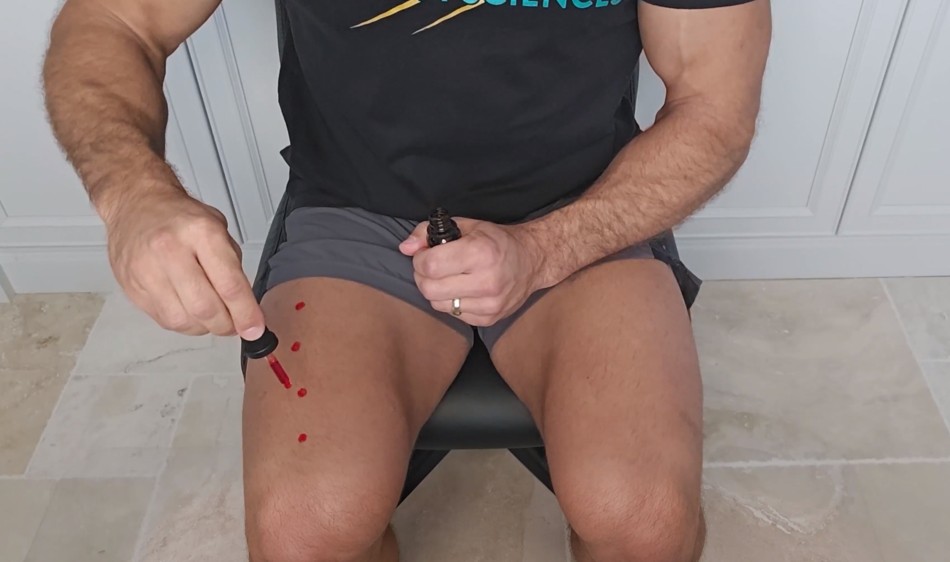
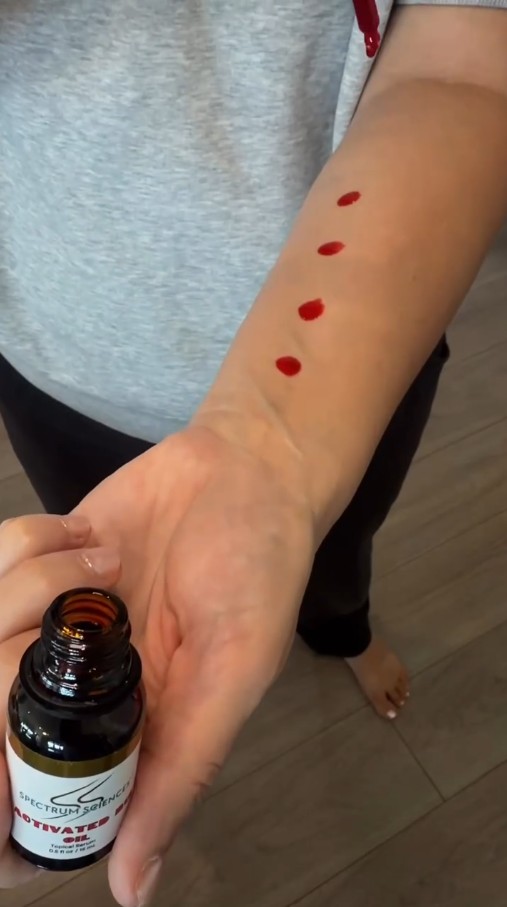
1) Select an area or areas of the body to apply the product. Select an area that you can easily access that is free of excessive hair and is away from the face and sensitive areas. The most common areas of application are thighs, inner forearm, and belly. The back is another good site to apply if you have someone else apply for you.
2) Clean the skin. It is recommended that you freshly shower with warm water before application. Make sure the area you have selected is clean, dry, and free of any lotions or cosmetic product. If the timing of your hygiene routine and product application do not align, you can skip this step as long as the skin is reasonably clean and there have not been any lotions or cosmetic products applied to the application site.
3) Warm the skin. If your skin is not warm to the touch in the area you are applying the product, consider applying dry heat, such as a heating pad or heat lamp. Even rubbing your skin vigorously to warm the skin will improve absorption. Avoid perspiring. We suggest using an infrared bulb if you choose to use a heat lamp, because vitamin B12 is photosensitive to any other color besides red. Remove the heat before applying the product.
4) Apply the product over a large surface area. Once the skin is warm (and not perspiring), apply the product in individual drops, ideally spaced at least 2 inches / 5 cm apart from each other in all directions. This will allow you to rub the product in without overlapping products or layering the formula on your skin. Optimal absorption occurs by maximizing surface area of the application area.
Also, keep the tip of the dropper about an inch away from the skin - do not touch the glass dropper to your body. This allows a full drop to form and be delivered, maintaining uniform drop size from one to the next. By not touching the glass dropper to the body, it also prevents introducing any external contaminants to the bottle.
5) Rub the product into the skin. Use the insides of your forearms (if your mobility allows and you are applying to self). You may also use the back of a spoon to thoroughly rub the product into the skin. Using a spoon is an especially useful method if applying the product on someone else's skin. Avoid using the palms of your hands, since this may transfer product from the intended recipient to unintended recipients/surfaces.
6) Give the product time to permeate the skin. Until the product has been fully absorbed, avoid showering, swimming, sunbathing, or activities that induce perspiration, and cover the application site with loose-fitting clothing. The amount of time it takes for these products to fully absorb can vary based on many factors, but 1-3 hours is a general rule and a safe bet for most people.
It is always wise to check the label on your specific product before the first use. Different brands may give slightly different application instructions, and the product label is the most reliable source for details like frequency and serving size.
Where Should You Apply Transdermal B12 Oil?
Location matters for transdermal supplements. The skin is not equally absorbent everywhere, and thin skin with good circulation tends to work better. For transdermal B12 oil, the inner wrists are a common recommendation because they are thin, accessible, and easy to keep still during application.
Some families also apply topical B12 to the inner arm, which offers another thin-skin area. If your child is sensitive to the sensation on their wrists, the inner arm can be a good alternative. The tops of the thighs, belly, oblique area, or back (with assistance) are alternative locations you can select.
Avoid applying the oil to broken, irritated, or freshly shaved skin. If you are using multiple topical products, you should apply them to different areas so each one has space to absorb.

How Often Should You Use Transdermal B12 Oil?
Consistency is the key to any B12 protocol. Oil-based transdermal B12 is designed to be used on a regular schedule, typically once per day at the same time every day. Some people find splitting the dose into two administrations works better for them.
Parents often ask whether they can skip days or use the oil only when their child seems tired. B12 supports methylation and neurological health, and those systems work continuously. A daily routine gives the body a steady supply rather than an occasional spike. Keep the bottle somewhere visible, like a kitchen cabinet, so it becomes part of the morning or bedtime routine.
If you are also following a broader protocol that includes other nutrients like iodide, selenium, or molybdenum, introduce new products one at a time. This makes it easier to see what is helping and what might not be well tolerated.
What to Expect in the First Weeks
Every person responds differently to transdermal B12. Some users notice a shift within a few days. One chronic fatigue patient reported that after applying a B12 patch, their symptoms improved steadily over three days.
For children, the signs of improvement may not be obvious at first. Look for small changes in energy, focus, mood, or appetite rather than dramatic overnight shifts (though we sometimes get reports of sleeping through the night after first application in chronic insomnia kiddos). It can also help to keep a simple log. Write down the date, the application site, and any observations about sleep, behavior, speech, or energy. After a few weeks, you will have a clearer picture of whether the product is making a difference.
Be patient. Functional B12 deficiency does not develop overnight, and correcting it takes time. If you have questions about whether transdermal B12 is appropriate for your child, talk with a healthcare provider who understands nutritional deficiencies and methylation support.

Transdermal B12 Oil vs. Shots and Patches
B12 injections deliver the vitamin directly into the bloodstream and have been the standard for people with severe deficiency. But injections require medical visits or at-home needle training, and many children simply refuse them. B12 patches offer another option: they are applied daily to a hairless area and worn for several hours. Patch users need to keep the patch attached through showers, exercise, and sleep, which can be challenging with active children. There is also an issue with delivering an effective dose in the very limited patch contents.
Transdermal B12 oil sits between the two. It does not require a needle, and unlike a patch, there is nothing to keep attached to the body. The oil is applied to thin skin, absorbs in minutes, and leaves no trace. The trade-off is that the oil must be formulated well to overcome the skin barrier.
For families who are tired of fighting over pills or dreading shot appointments, a trial of transdermal B12 oil may be a reasonable next step. Keep expectations realistic, follow the label, and track what you see over several weeks.
Frequently Asked Questions
Can you absorb B12 through the skin?
Research suggests that transdermal delivery of B12 is possible, particularly when the formulation includes enhancement techniques to help the molecule cross the skin barrier. Some community sources remain skeptical because the B12 molecule is large, and oil products vary in quality. Outcomes depend heavily on the specific product and where it is applied. Thin-skin areas like the inner wrist or arm are usually recommended.
Is transdermal B12 oil as effective as B12 shots?
Shots deliver B12 directly into the bloodstream, so they are generally considered the most reliable method for severe deficiency. Transdermal oil offers a needle-free alternative, but it is not identical to an injection. Absorption through the skin is slower, which gives a pharmacokinetic advantage of sustained release. For people who cannot tolerate shots, transdermal oil may provide meaningful - and even superior - support when used consistently.
How long does it take for transdermal B12 to work?
Some people report noticeable changes within a few days, especially when it comes to energy and symptom relief. Others need several weeks of consistent daily use before they see a shift. Because B12 supports ongoing processes like methylation and neurological health, the benefits often build gradually. Keeping a daily log can help you track improvements over time.
Where is the best place to apply transdermal B12 oil?
The inner wrists are a common recommendation because the skin is thin and close to the surface. The inner arm is another option for children who do not like having anything on their wrists. The tops of the thighs, belly, oblique areas, and back (with assistance) are also good options.
Transdermal B12 oil is not a replacement for medical advice, and results will vary from person to person. If you decide to try it, apply the oil consistently to clean skin, give it a few weeks, and talk with your healthcare provider about whether it fits your family's broader wellness plan. These statements have not been evaluated by the Food and Drug Administration. This product is not intended to diagnose, treat, cure, or prevent any disease.