
B12 for Autism and Transdermal Delivery: What the Research Shows
Parents of children with autism often encounter vitamin B12, especially methyl B12, when researching supplements that support neurological health. Interest in this nutrient is not new. Researchers have studied B12 injections for autism for over 20 years, and the results suggest that most children do benefit, depending on how the treatment is administered. One of the questions that parents often have is whether the delivery method matters. Most published research used subcutaneous injections. Today, transdermal products, such as topical B12 oils, offer a different route. This article reviews the science on B12 for autism and transdermal options, and looks at where transdermal delivery fits in.
What the Research Says About Methyl B12 for Autism
The scientific interest in B12 for autism centers on methyl B12, also called methylcobalamin. A 2021 systematic review and meta-analysis led by Rossignol concluded that B12, particularly subcutaneously injected methyl B12, improves metabolic abnormalities in autism spectrum disorder along with clinical symptoms. This review is widely cited and represents one of the strongest recent summaries of the evidence.
Other research has explored the mechanism behind these effects. A small study reported by Autism Speaks suggests that in some children, methyl B12 shots may ease autism symptoms by improving DNA methylation. Methylation is a cellular process that influences gene expression, and some researchers believe it contributes to autism-related symptoms.
Newer Reviews Focus on Subgroups
A 2025 review by Zwierz and colleagues took a more targeted view. The authors suggest that methyl B12 supplementation may benefit children with autism, especially those with impaired methionine metabolism and increased oxidative stress. Another 2025 summary notes that vitamin B12, particularly methylcobalamin, has shown promise in supporting children with autism in areas such as communication and social functioning. Together, the research on B12 in autism is promising. Since the vast majority of children on the autism spectrum show impairments in methionine metabolism and oxidative stress modulation, some clinicians favor the application of vitamin B12 as an option for all of their patients.
|
Key studies at a glance |
||
|
Study |
Year |
What it found |
|---|---|---|
|
Rossignol systematic review |
2021 |
Injected methyl B12 improved metabolic abnormalities and clinical symptoms |
|
Bertoglio pilot study |
2010 |
Overall means suggested methyl B12 ineffective for behavioral symptoms |
|
AACAP preliminary study |
2006 |
No significant benefit seen in a small ongoing trial |
|
Zwierz review |
2025 |
Methyl B12 may benefit children with impaired methionine metabolism |
|
Pharmacy Times article |
2014 |
B12 deficiency is often misdiagnosed and carries serious risk |
The Role of Methyl B12 in the Body
Methyl B12 does more than support energy. In the body, B12 assists with detoxification, and methylcobalamin in particular supports the methylation cycle. The Autism Community in Action (TACA) states that methyl B12, also known as methylcobalamin, can help relieve symptoms of autism and that B12 assists with detoxification. Other support resources describe potential improvements in challenges such as spatial awareness, focus and attention problems, difficulty maintaining eye contact, and speech delays. These descriptions come from clinical resources and parent experience rather than large trials, so families should weigh them accordingly.

B12 Deficiency Can Be Mistaken for Autism
Some children who appear to have autism-related symptoms may actually have a vitamin B12 deficiency. A 2014 article in Pharmacy Times warns that B12 deficiency is often misdiagnosed and can place children at high risk for permanent brain injury. This is one reason why blood work and a doctor's evaluation matter before starting any supplement. The same article emphasizes that pediatric B12 deficiency deserves serious attention rather than being dismissed as behavioral.
Delivery Method: Injections, Pills, and Transdermal Oils
The studies most often cited in autism research used subcutaneous injections of methyl B12. Injections deliver the vitamin directly into tissue and avoid the digestive tract. Oral B12 absorption depends on digestive processes such as intrinsic factor, and large doses of oral B12 are not absorbed efficiently. That limitation is part of why alternative delivery methods attract attention.
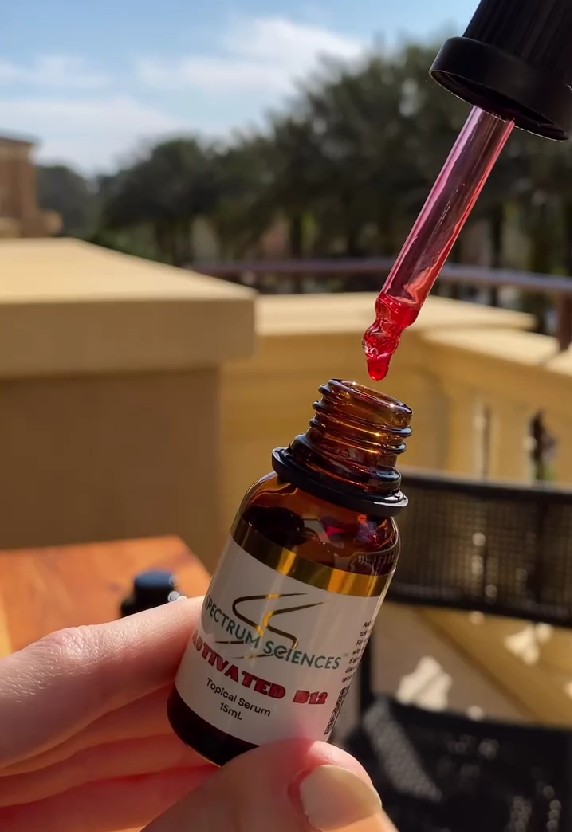
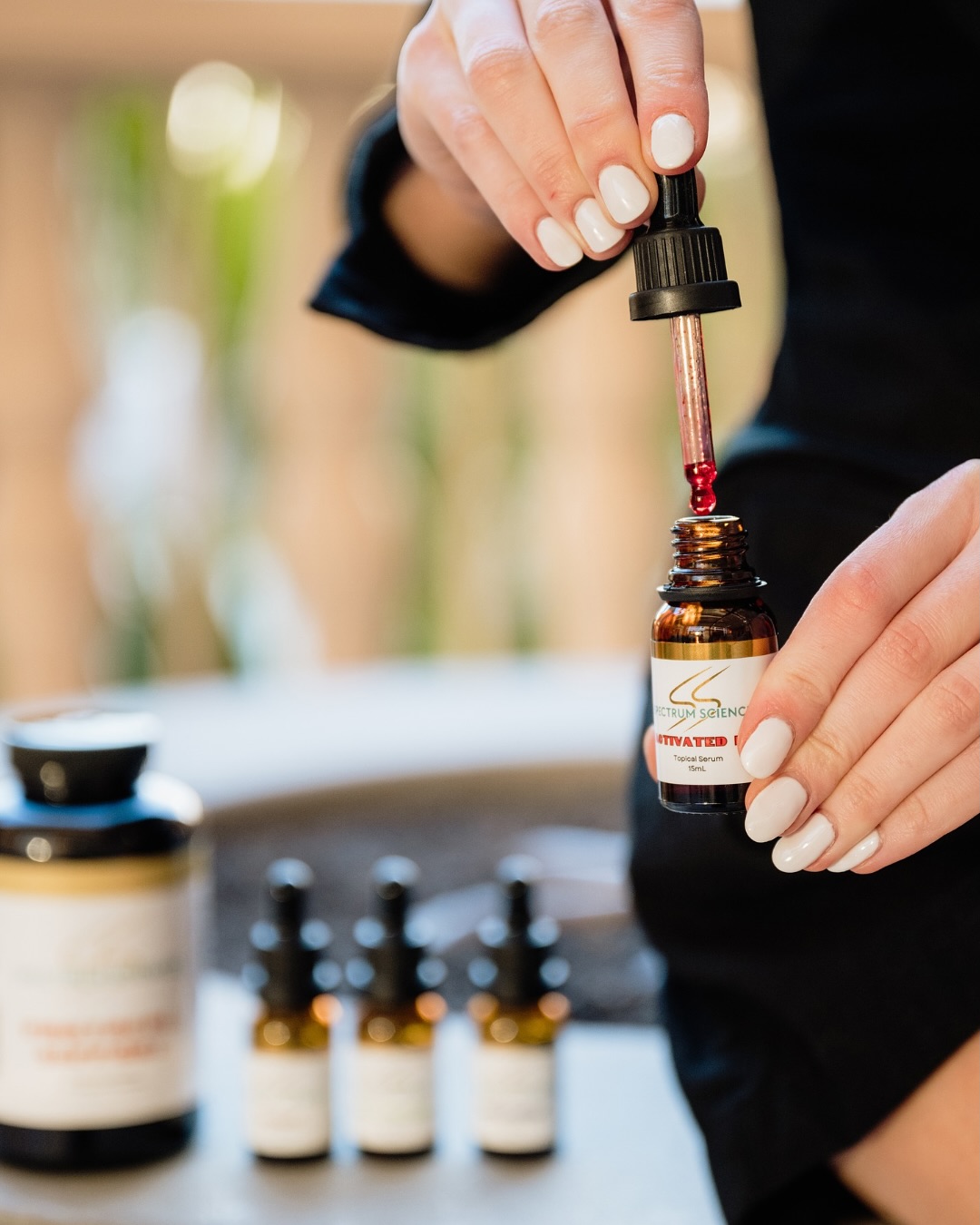
Transdermal delivery, where B12 is applied to the skin as an oil, is the approach used by products such as The B12 Protocol from Spectrum Sciences. The brand also offers companion topical oils including iodide, selenium, molybdenum, and a multivitamin. The idea behind transdermal application is that nutrients pass through the skin without relying on digestion.
The published autism studies reviewed for this article did not test transdermal B12. They tested injections, and no study in this research pack directly answers whether topical B12 oil produces the same metabolic or clinical effects as injected methyl B12. Such a study comparing transdermal vitamin B12 and injected B12 is in the discovery phase.
What Parents Should Consider
-
Understand that serum testing is not the best way to catch a functional B12 deficiency. Serum B12 can often appear elevated when the cells are not assimilating it.
-
Discuss the treatment with a doctor knowledgeable in this area.
-
Know the form. Methylcobalamin is the focus of most autism research, and other forms of B12 have different roles in the body. Adenosylcobalamin is the other active form used in the mitochondria, and may provide a different clinical outcome.
-
Consider the delivery route carefully. Note that oral delivery is inefficient and dosing can be difficult or impossible to achieve using this route.
-
Watch for individual differences. Children with more impaired methionine metabolism may be likely to experience greater benefit, according to the 2025 review.

Frequently Asked Questions
Can B12 be absorbed through the skin?
The research cited here used subcutaneous injections of methyl B12, not topical oils. Whether transdermal B12 is absorbed well enough to match injected doses is not answered by the studies in this research pack. In vitro studies have shown significant absorption of vitamin B12 transdermally, but formulation matters. Products not formulated for transdermal absorption are not expected to achieve measurable absorption.
Is vitamin B12 proven to help autism?
The evidence generally supports that claim. A 2021 systematic review found improvements in metabolic abnormalities and clinical symptoms with injected methyl B12. A 2025 review suggests more pronounced benefits mainly in children with heavily-impaired methionine metabolism.
Can B12 deficiency be mistaken for autism?
Yes. A 2014 Pharmacy Times article warns that vitamin B12 deficiency is often misdiagnosed and can place children at high risk for permanent brain injury. Because deficiency symptoms can overlap with autism-related presentations, targeted testing may help distinguish the difference in some cases.
Which form of B12 is used in autism research?
Most published studies on B12 for autism used methylcobalamin, commonly called methyl B12, given by subcutaneous injection. Methyl B12 supports methylation and detoxification in the body. Other forms of B12 exist, but methylcobalamin is the form most often examined in autism research.