
B12 and Autism Recovery: What Science Says About Methylcobalamin

When a child receives an autism diagnosis, parents often begin searching for anything that might help. Vitamin B12, particularly in its methylated form (methylcobalamin), appears frequently in those conversations. The science is still developing, and results vary from child to child. But a growing set of clinical reviews and pilot studies suggests that some children with autism respond very well to B12 support, especially when their lab work points to specific metabolic challenges. For families, that small but meaningful evidence base is enough to spark serious interest. Methyl-B12 has stood the test of time, being used in autism treatment for the past 25 years. In this article, we cover the role of B12 in autism recovery.
What the Research Says About B12 and Autism
A 2021 systematic review and meta-analysis led by Dr. David Rossignol found that B12 appears to have evidence for effectiveness in individuals with autism spectrum disorder, particularly in those identified with unfavorable biochemical profiles. That phrase is important. It suggests B12 is not a universal answer, but it may be a targeted one for children whose bodies show measurable differences in how they process nutrients.
A 2025 review of current evidence by Zwierz and colleagues reached a similar conclusion. The authors reported that methyl B12 supplementation may benefit children with autism, especially those with impaired methionine metabolism and signs of increased oxidative stress. Methionine metabolism is closely tied to the methylation cycle, and oxidative stress reflects an imbalance between damaging free radicals and the body's ability to neutralize them. Both are recurring themes in autism research.
Earlier work supports this picture. A 2010 pilot study by Bertoglio and colleagues tested methyl B12 treatment in children with autism. While the overall group results were mixed, detailed data analysis suggested that methyl B12 may alleviate symptoms in a subgroup of children, possibly by reducing oxidative stress. The authors were careful to call the finding preliminary, but it helped shape the direction of later research.
Another study found that methyl B12 injections eased autism symptoms in some children, and appeared to do so by improving DNA methylation. The study was small, and the researchers did not present methyl B12 as a cure. They framed it as a supportive intervention that might help specific biological pathways work more smoothly, hence easing core autism symptoms.
Methyl B12 and the Body: Why Methylation Matters
Methylation is a biochemical process in which methyl groups are added to molecules throughout the body. It affects DNA repair, detoxification, neurotransmitter production, and many other functions. Methylcobalamin, the methylated form of vitamin B12, is one of the nutrients that helps drive this cycle.
For children with autism, methylation support has drawn attention because some research shows altered methylation markers in this population. When the methylation cycle runs inefficiently, the body may struggle to clear toxins and produce the compounds needed for healthy brain function. Methyl-B12 does not cure autism, but it has been studied as a supportive intervention for these specific pathways.
Advocates in the autism community have also noted B12's role in detoxification. The reasoning is that when methylation improves, the body is better equipped to process and remove substances that might otherwise interfere with development. That connection between B12, methylation, and detoxification is one reason the supplement has become a staple in many families' protocols, even before large-scale trials confirm its benefits.

Stories Behind the Science: Families and the Recovery Conversation
Recovery is a powerful word, and in the autism community it means different things to different people. For some families, recovery describes a child who gains language, makes eye contact, and participates in daily life with little distress. For others, it means loss of diagnosis or of recognizable core autism symptoms. B12 is rarely the only piece of that picture, but many parents report very noticeable shifts after introducing it.
Spectrum Sciences was founded by autism parents who understood this journey personally. The brand exists because those parents spent years searching for answers and found that oral supplements often fell short. That experience informs the company's focus on functional B12 deficiency, a condition where blood levels of B12 look normal but cells still are not getting enough active B12.
A Pharmacy Times article on pediatric B12 deficiency made a related point that parents should remember. When true B12 deficiency is present, the extent of recovery and the level of post-treatment functioning depend on the age at which the deficiency began, its severity, and how long it lasted. In other words, early and thorough evaluation matters. Families who suspect B12 issues should push for testing and treatment rather than waiting to see if symptoms improve on their own.
When B12 Deficiency Looks Like Autism
One of the most important messages from the clinical literature is that B12 deficiency can mimic autism. The 2014 Pharmacy Times article, titled Pediatric Vitamin B12 Deficiency: When Autism Isn't Autism, warned that the condition is often misdiagnosed and can place children at high risk for permanent brain injury if left untreated.
This is not to say that every child with autism has a B12 deficiency. Rather, it is a reminder that symptoms like developmental delay, speech regression, low muscle tone, and social withdrawal can have multiple causes. A child who appears to have autism may actually be showing signs of untreated B12 deficiency. Evaluating B12 status through blood work should be part of a thorough diagnostic process.
Because the stakes are high, parents should bring their concerns to a pediatrician or qualified clinician. Blood B12 levels are not the only measure. Functional deficiency, where cells cannot use the B12 that is present, may require organic acids testing or other advanced lab work (such as methylmalonic acid and/or homocysteine) to identify. The lab value looks normal, but the cells are still hungry.
Why Transdermal B12 Is Part of the Conversation
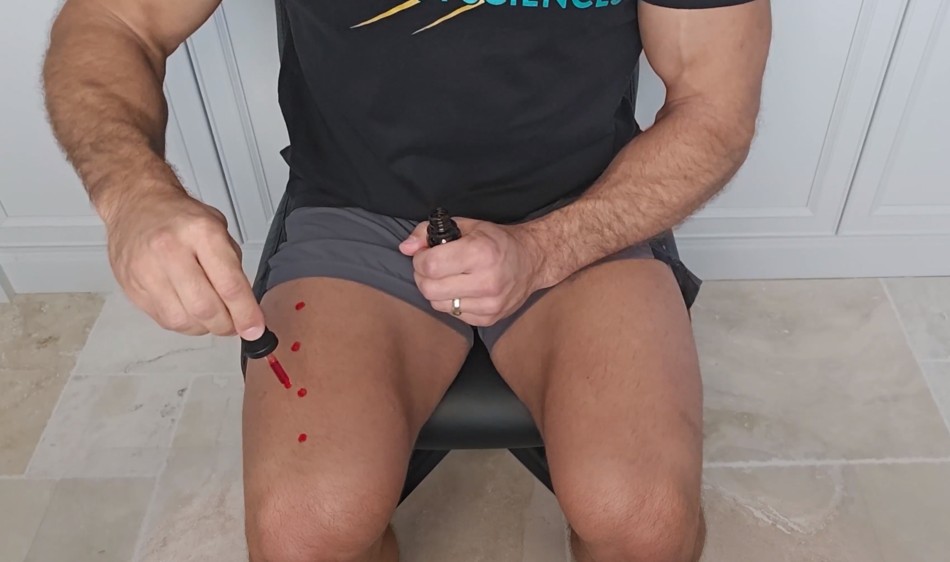
For families who struggle with pills, injections, or picky eaters who refuse vitamins, getting B12 into a child's system can be a daily battle. This is where transdermal delivery changes the conversation. Rather than swallowing a capsule or dissolving a tablet, the nutrients are absorbed through the skin, which bypasses the intrinsic factor bottleneck that limits oral B12 absorption.
Intrinsic factor is a protein made in the stomach that helps the body absorb B12 from food and oral supplements. When intrinsic factor is low, or when the gut is inflamed, a child can swallow plenty of B12 and still remain deficient. Transdermal oils deliver the nutrient directly through the skin and into circulation, avoiding that digestive roadblock. Diffusion through the skin is also a slow process, which gives trandermal absorption a sustained release advantage over other forms. This helps reduce negative effects and extends the therapeutic delivery window.
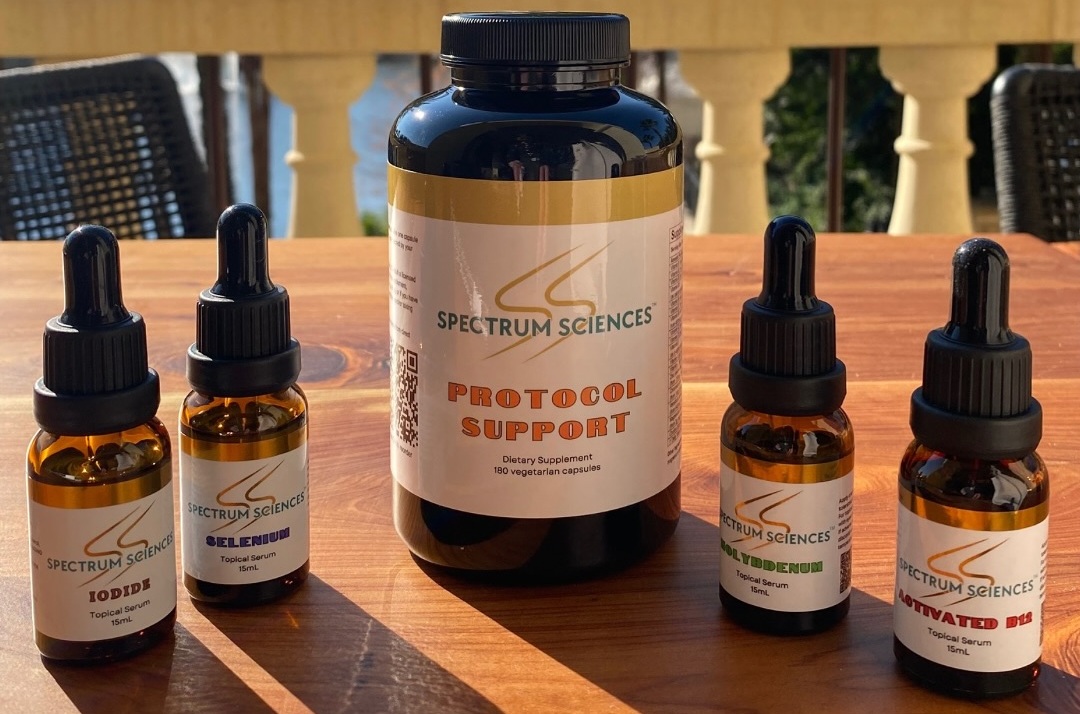
Spectrum Sciences built its product line around these principles. The B12 Protocol includes transdermal vitamin B12 oil as the core product, with companion oils for iodide, selenium, and molybdenum, plus a high-potency multivitamin. Each product is designed to support methylation and neurological health in a way that fits into a family's daily routine without having to worry about timing supplements on an empty stomach or away from other supplements.
Transparency also matters. The transdermal line uses ingredients that are GRAS, ECOCERT, and EWG approved, and it publishes full ingredient lists.
Frequently Asked Questions
Does B12 help an autistic child?
Research reviews published in 2021 and 2025 found evidence that B12, particularly methyl B12, can be effective in many children with autism. The response appears strongest in children with impaired methionine metabolism or increased oxidative stress. B12 is not a cure and results vary. Parents should work with a clinician to decide whether B12 is appropriate for their child.
Can kids get B12 injections?
Yes, methyl B12 injections have been used in clinical trials involving children with autism. The studies that reported symptom improvements used injections, and they were generally well tolerated. Injections are a medical procedure, so they require a doctor's guidance and prescription. Families who want to avoid needles can explore transdermal B12 oil as a non-oral alternative.
Can methyl B12 shots help with autism symptoms?
The research says yes. One study reported that methyl B12 injections eased autism symptoms in certain children by improving DNA methylation. A 2010 pilot study also suggested possible symptom relief in a subgroup, possibly through reduced oxidative stress. The evidence is preliminary, and not every child responds. Many parents track symptoms carefully to decide whether to continue.
Can hydroxo B12 with folinic acid help with autism?
The studies reviewed here focus mainly on methyl B12, not hydroxocobalamin or folinic acid combinations. Some clinical protocols pair hydroxo B12 with folinic acid for certain metabolic conditions, but that specific combination was not part of the research covered in this article. Families interested in this approach should ask a qualified practitioner about the evidence and whether it suits their child's needs.